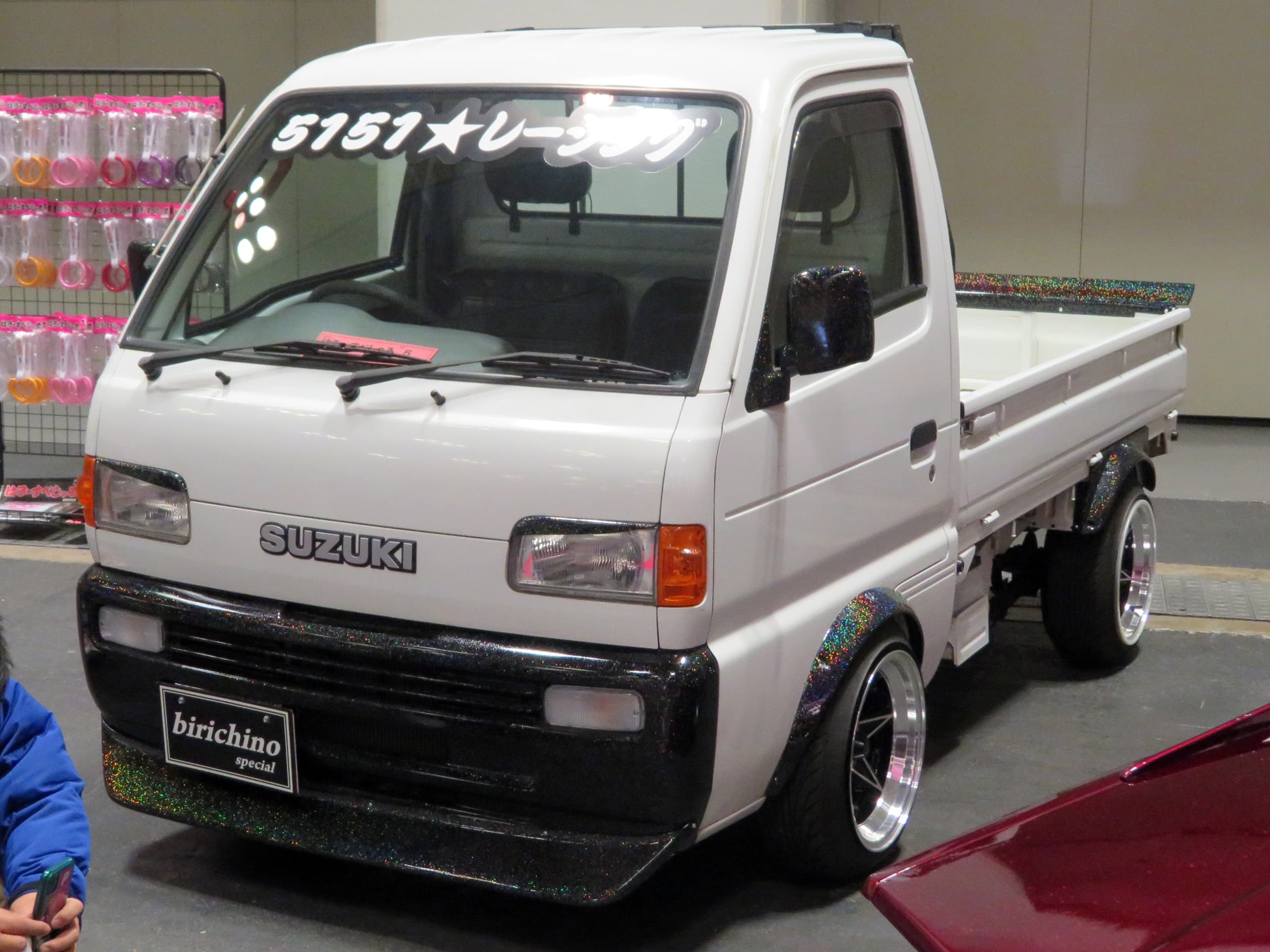
I get more emails about California than any other state combined. The question is always the same: "I'm in California. Is there any way?"
The short answer is no — not for road use. California is the most populated state in the US, has the largest car culture, and has some of the most enthusiastic kei vehicle fans anywhere. It's also the state where you categorically cannot register a kei vehicle for road use. Here's what the law actually says.
Why California Says No
Two regulatory bodies block kei vehicles:
CARB (California Air Resources Board) — California's emissions standards are stricter than federal EPA standards. Unlike the federal EPA, which has a 21-year exemption for emissions, CARB does not exempt vehicles by age. A 30-year-old kei vehicle still must meet current CARB requirements — which it cannot.
CHP/DMV Safety Standards — California's vehicle safety inspection standards are more stringent than most states. Headlight brightness, bumper height, and structural requirements that kei vehicles don't meet.
These are state-level regulations. The federal 25-year import rule gets the vehicle INTO the US, but California's state laws prevent it from being registered for road use.
What You CAN Do in California
Off-Road on Private Property
This is fully legal and the most common use case for California kei vehicle owners.
- Farms and ranches — kei trucks as property utility vehicles
- Large estates — getting around multi-acre properties
- Campgrounds and resorts — internal transport
- Construction sites — moving tools and materials
- Film/TV production — props and set vehicles
No registration or insurance required for off-road private property use.
Off-Highway Vehicle (OHV) Areas
Some California OHV areas allow kei vehicles, though rules vary by specific location. Check with the managing agency (BLM, Forest Service, or State Parks) before showing up.
Shows, Exhibitions, and Private Events
You can trailer a kei vehicle to car shows, meets, and private events. Many California kei vehicle owners are active in the show scene — they just arrive on a trailer rather than driving.
The Gray Areas
These are options some California owners pursue. I'm documenting them for completeness — not endorsing them. Consult a lawyer before pursuing any of these.
Montana LLC Registration
The most-discussed workaround. Form an LLC in Montana, register the vehicle through the LLC, and receive Montana plates. Montana has no sales tax, no emissions requirements, and no inspections.
The reality: This is legal in Montana but potentially illegal in California. California law requires residents to register vehicles where they're garaged. If you live in California and drive a Montana-plated vehicle daily, you're violating California Vehicle Code Section 4000.4.
The risk: CHP officers are increasingly aware of this practice. Penalties can include fines, vehicle impound, and back-registration fees.
My assessment: At Whitfield & Associates, we had a word for strategies like this: "creative." The legal risk is real and increasing. Some people do it — but don't assume it's safe. This is the part where I remind you I'm not a lawyer, but I spent three years working with lawyers who handled exactly these kinds of vehicle import cases.
Agricultural Exemptions
California has limited exemptions for agricultural equipment. Some kei truck owners have attempted to register under these exemptions.
The reality: Agricultural equipment exemptions in California are narrowly defined and typically don't cover vehicles that are "designed primarily for highway use." Kei trucks, despite their agricultural utility, were designed for road use in Japan. Most DMV offices reject this argument.
SEMA SB-100 (Low-Volume Vehicle)
California's SB-100 law allows certain low-volume vehicles to be registered with modified emissions standards. However, this applies primarily to replica vehicles and specialty manufacturers — not imported kei vehicles.
What's NOT Possible
Let me be clear about what doesn't work:
- "But it's 25 years old" — the 25-year rule is federal import, not state registration
- "But golf carts can be registered" — different vehicle classification entirely
- "But UTVs are street legal in some areas" — different regulations, different classification
- "I'll just drive it and hope" — unregistered vehicle on public roads = misdemeanor, impound, fines
The Future
There's no current legislative effort in California to change kei vehicle regulations. The CARB emissions framework is deeply entrenched, and the political will to create an exemption for a niche vehicle category doesn't exist.
However: Electric kei vehicles are being developed in Japan. If an electric kei vehicle — with zero tailpipe emissions — reaches the 25-year import threshold (which would be around 2047 for the first electric kei models), the CARB argument disappears. The safety argument would remain, but it's the weaker of the two.
That's 20 years out. Not helpful today, but worth noting for the long game.
The California Kei Vehicle Owner's Reality
Thousands of Californians own kei vehicles. They use them on farms, ranches, estates, and private property. They trailer them to shows. They're part of the community.
They just can't drive them on the street. And for many of them, that's enough — a kei truck doing property work at 15 mph on a ranch doesn't need registration. A Honda Beat sitting in a garage as a collector piece doesn't need plates.
But if street legality is important to you and you live in California, the honest answer is: buy a different vehicle, or move to a different state.