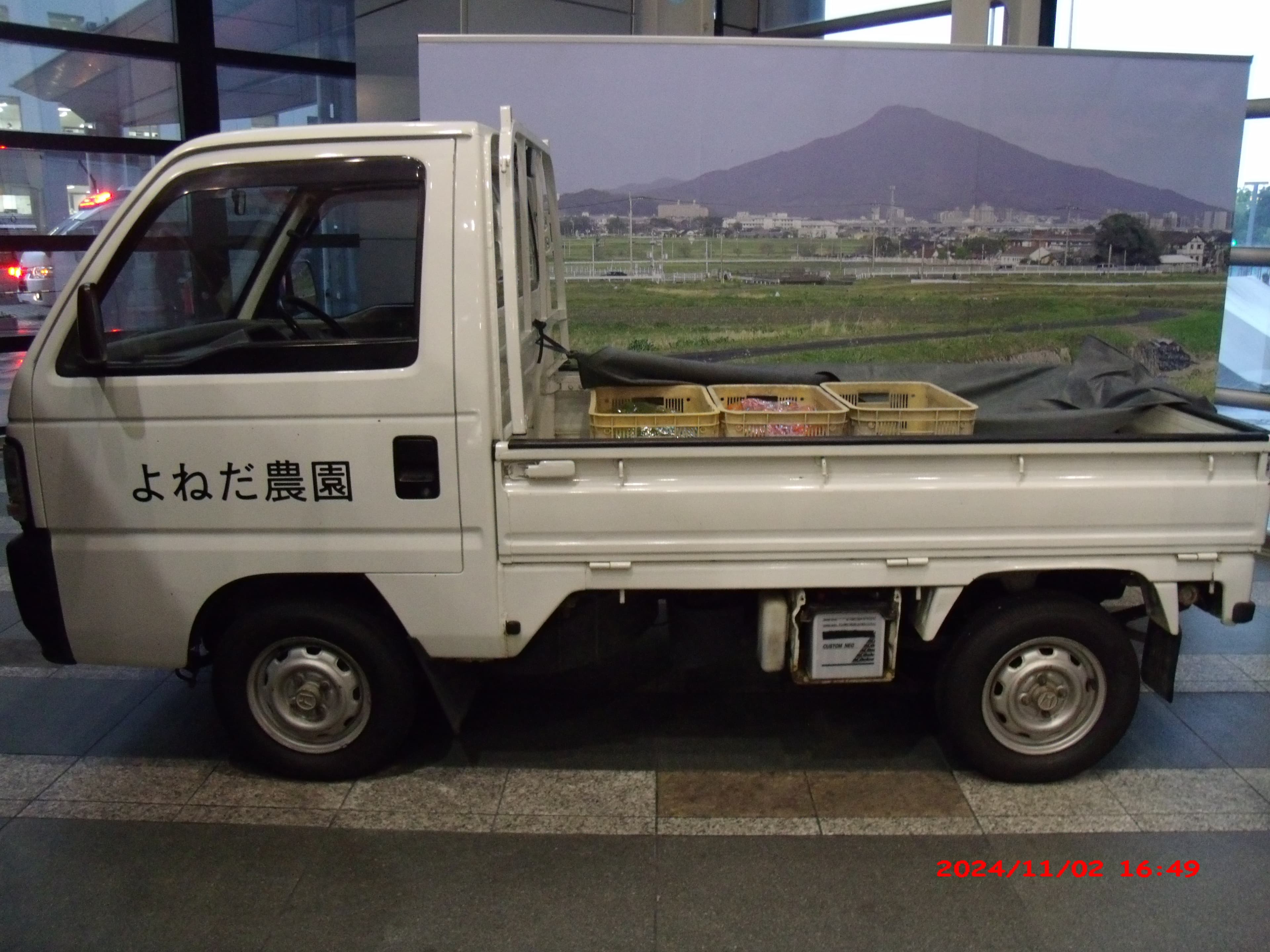
Every January 1st, a new model year of Japanese vehicles becomes legal to import. For the kei vehicle community, this is Christmas morning — new inventory, new models, and new reasons to start shopping at Japanese auctions.
Here's the complete forecast — with pricing implications, model-by-model timelines, and what the data says about timing your purchase.
How the 25-Year Rule Works
The rule is straightforward: any vehicle manufactured 25 or more years ago is exempt from Federal Motor Vehicle Safety Standards (FMVSS) and can be imported into the US.
Key details:
- Based on manufacture date, not model year. A vehicle built in December 2000 becomes importable in January 2026.
- The exemption covers NHTSA safety standards (crash tests, airbags, bumper height, etc.)
- The EPA has a separate 21-year exemption for emissions — but since all kei vehicles are over 21 years old by the time they hit 25, this is effectively automatic.
- State registration is separate. Federal import ≠ state road legality. Always check your state's regulations.
What's Importable Now (2026)
Vehicles manufactured in 2001 or earlier are currently importable.
Kei Trucks
| Model | Importable Generations | Key Features |
|---|---|---|
| Suzuki Carry | DD51T, DA52T, early DA63T | F6A and K6A engines, 4WD |
| Honda Acty | HA3/HA4, HA6/HA7 | Mid-engine E07A/E07Z |
| Daihatsu Hijet | S80/S81, S100, S200/S210 | EF engine family, 4WD |
| Subaru Sambar | KS3/KS4, TT1/TT2 (to 2001) | Supercharged EN07, AWD |
| Mitsubishi Minicab | U40, U60 (to 2001) | 3G83 engine |
| Mazda Scrum | DG51T, DG63T (to 2001) | Carry rebadge |
Kei Cars
| Model | Importable Years | Notes |
|---|---|---|
| Honda Beat | All (1991-1996) | Fully importable |
| Suzuki Cappuccino | All (1991-1998) | Fully importable |
| Autozam AZ-1 | All (1992-1995) | Fully importable |
| Suzuki Jimny | JA11, JA12, JA22 (to 2001) | Turbo 4WD |
| Honda Today | JA4/JA5 (1993-1998) | Fully importable |
Kei Vans
| Model | Importable Years | Notes |
|---|---|---|
| Suzuki Every | DE51V, DA64V (to 2001) | Carry van variant |
| Honda Vamos | HM1/HM2 (1999-2001) | Early models only |
| Subaru Sambar Van | KV3/KV4, TV1/TV2 (to 2001) | Supercharged available |
Coming in 2027 (Manufacture Year 2002)
This is a big year. Several desirable late-model variants become available.
Highlights:
- Daihatsu Copen L880K — the first year of the power-folding hardtop roadster becomes importable. Expect immediate high demand.
- Later DA63T Suzuki Carry — more refined K6A engine models
- Later S210 Hijet — improved EF-SE engine
- More Honda Vamos — 2002 models with 4WD expand the importable pool
- Suzuki Jimny JB23 — the next-generation Jimny starts becoming available (first produced 1998, so early JB23s are already importable; 2002 models add options)
Coming in 2028 (Manufacture Year 2003)
- More Daihatsu Copens — second year of production, wider selection
- Later Subaru Sambar TT2 — more supercharged models available
- Continued expansion of all truck/van model years
Coming in 2029-2030 (Manufacture Years 2004-2005)
- Daihatsu Copen continues to open up
- Suzuki Every DA64V — later, more refined models
- The modern kei truck era becomes increasingly available — better fit and finish, more options, more automatic transmissions
The Long Game: 2030+
Looking further out:
- 2032: The final Subaru-built Sambar (ended 2012) starts becoming importable
- 2033: Late-model Suzuki Every DA64V variants
- 2034: The Honda N-BOX and Daihatsu Tanto generation start approaching eligibility — these are the modern kei vehicles with advanced safety features
What This Means for Prices
Each new importable year has a predictable effect on the market:
- Newly eligible models see a demand spike as early adopters rush to import
- Older models of the same truck see slight price softening as supply increases
- Rare/collectible models (AZ-1, Beat) continue appreciating regardless — they're production-limited, not age-limited
- Overall market continues upward because demand growth outpaces supply additions
How to Time Your Purchase
Based on 400+ Japanese auction results I tracked over 18 months, here's what the data says:
If you want the best value: Buy a model that's been importable for 3-5 years. The initial demand spike has passed, supply is healthy, and prices stabilize. Right now, that's late-90s trucks (1995-1999 manufacture).
If you want the newest/best condition: Wait for the model year you want to cross the threshold and buy in the first 6 months. You'll pay a premium, but you'll get the pick of the litter from Japanese auctions.
If you're collecting: Buy rare models (AZ-1, Beat, Midget II) now. They're not getting cheaper, and the supply only decreases as vehicles get scrapped or exported to other markets.
Tracking New Eligibility
We update this article every January when new model years become importable. Bookmark it and check back — I'll have the spreadsheet updated before the confetti hits the floor.
For current pricing on all importable models, see our pricing guide. To estimate your total import cost, use the calculator. And if you're in a restricted state, check why some states ban kei vehicles before you get too excited about a model year that you can import but can't register.