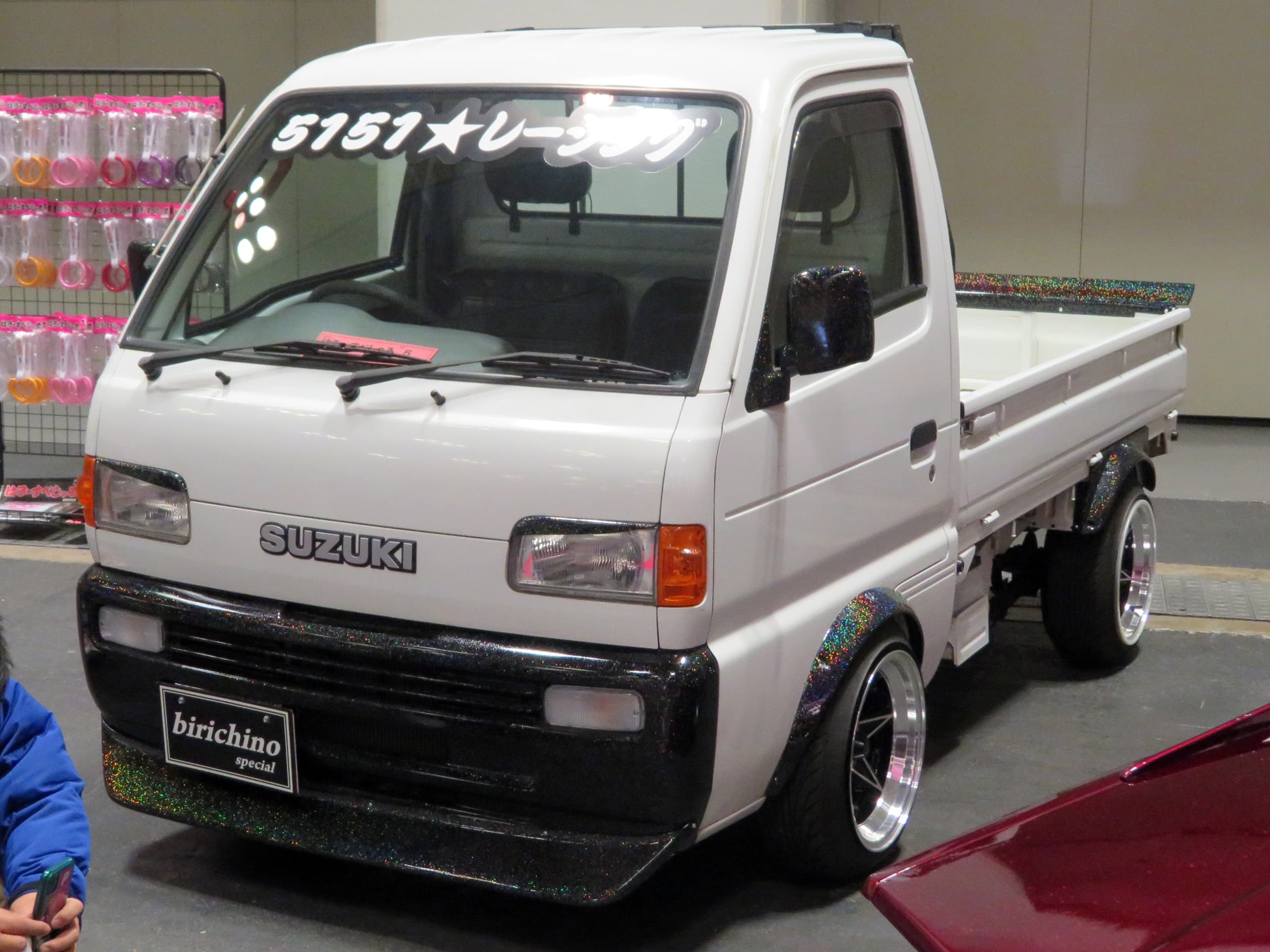
In March 2026, posts started appearing on r/keitruck from New York owners receiving letters from the NY DMV: their kei vehicle registrations would not be renewed after 2028. The thread exploded to 133 comments — the most-discussed regulatory topic in the kei vehicle community this year.
Here's what we know.
What Happened
New York's DMV has historically been one of the stricter states for kei vehicles. The state's safety inspection requirements — covering headlight brightness, bumper height, structural integrity, and emissions — have always been difficult for kei vehicles to pass.
However, some kei vehicles had been registered in NY over the years through various means: sympathetic DMV offices, creative vehicle classifications, and in some cases, registrations that slipped through before policies tightened.
The new enforcement appears to be a deliberate tightening. The NY DMV is identifying kei vehicles in their registration database and flagging them for non-renewal. The stated reason: failure to comply with state motor vehicle safety standards.
Who's Affected
Based on community reports:
- Existing NY-registered kei vehicle owners are receiving non-renewal notices for registrations expiring in 2028 and beyond
- New registration attempts in NY are being denied at the counter
- The policy appears to apply to all kei-class vehicles — trucks, vans, and cars
- Vehicles registered as antiques or farm equipment may or may not be affected — reports are mixed
The Legal Reality
New York is within its rights to do this. While the federal 25-year rule allows importation, states have always had the authority to set their own registration and safety inspection standards. NY choosing to enforce those standards more strictly is legally defensible.
This doesn't make it right. The inconsistency — where UTVs, golf carts, and vintage cars with no airbags can be registered but a 1995 Suzuki Carry can't — remains as frustrating in New York as anywhere else.
Your Options If You're in NY
1. Continue Driving Until Expiration
Your current registration is valid until the stated expiration date. You have time, but not unlimited time.
2. Sell to a Buyer in a Legal State
If you can't keep the vehicle registered, selling to someone in a state with friendly regulations (Montana, Idaho, Alabama, etc.) may recover most of your investment. See our pricing guide for current market values.
3. Convert to Off-Road Use
You can still use a kei vehicle on private property, farms, and off-road trails without registration. If you have land, this may be a viable path.
4. Out-of-State Registration
Some owners register in states like Montana or New Hampshire, then drive in NY. This is a legal gray area. Some states (including NY) are increasingly scrutinizing this practice. Consult a lawyer before going this route — the consequences of getting it wrong can include seizure of the vehicle and fines.
5. Advocate
Join the community advocacy effort. Contact your state legislators. The kei vehicle community is growing, and political pressure has worked in other states. Resources:
- r/keitruck — community coordination
- Online communities — Facebook groups and forums
- Your state legislators — find them at nysenate.gov
What This Means for Other States
New York's move is concerning for kei vehicle owners everywhere because it demonstrates that even existing registrations aren't necessarily permanent. If NY can cancel registrations retroactively, other restrictive states could follow.
States to watch:
- California — already prohibits registration, but could tighten enforcement on off-road use
- Rhode Island — similar strict inspection standards to NY
- Hawaii — already prohibits, limited enforcement currently
States that are safe:
- Montana, Idaho, Alabama, New Hampshire — strong import-friendly policies
- Texas, Oregon, Pennsylvania — well-established registration processes
Check your state's full regulations for the latest status.
The Bigger Picture
This is part of a broader regulatory tension. As more kei vehicles enter the US (the 25-year window is opening wider every year), states are being forced to take positions. Most are choosing to accommodate. A few — New York being the most notable — are choosing to restrict.
The kei vehicle community's best response is organized, factual advocacy. The safety argument against kei vehicles is inconsistent (golf carts and UTVs are objectively less safe), and the economic argument for them is strong (affordable transportation, farm utility, small business enablement).
Whether NY reverses course will likely depend on whether the community can organize enough political pressure. The 133-comment Reddit thread suggests the energy is there. Whether it translates to legislative action remains to be seen.
We'll update this article as the situation develops.