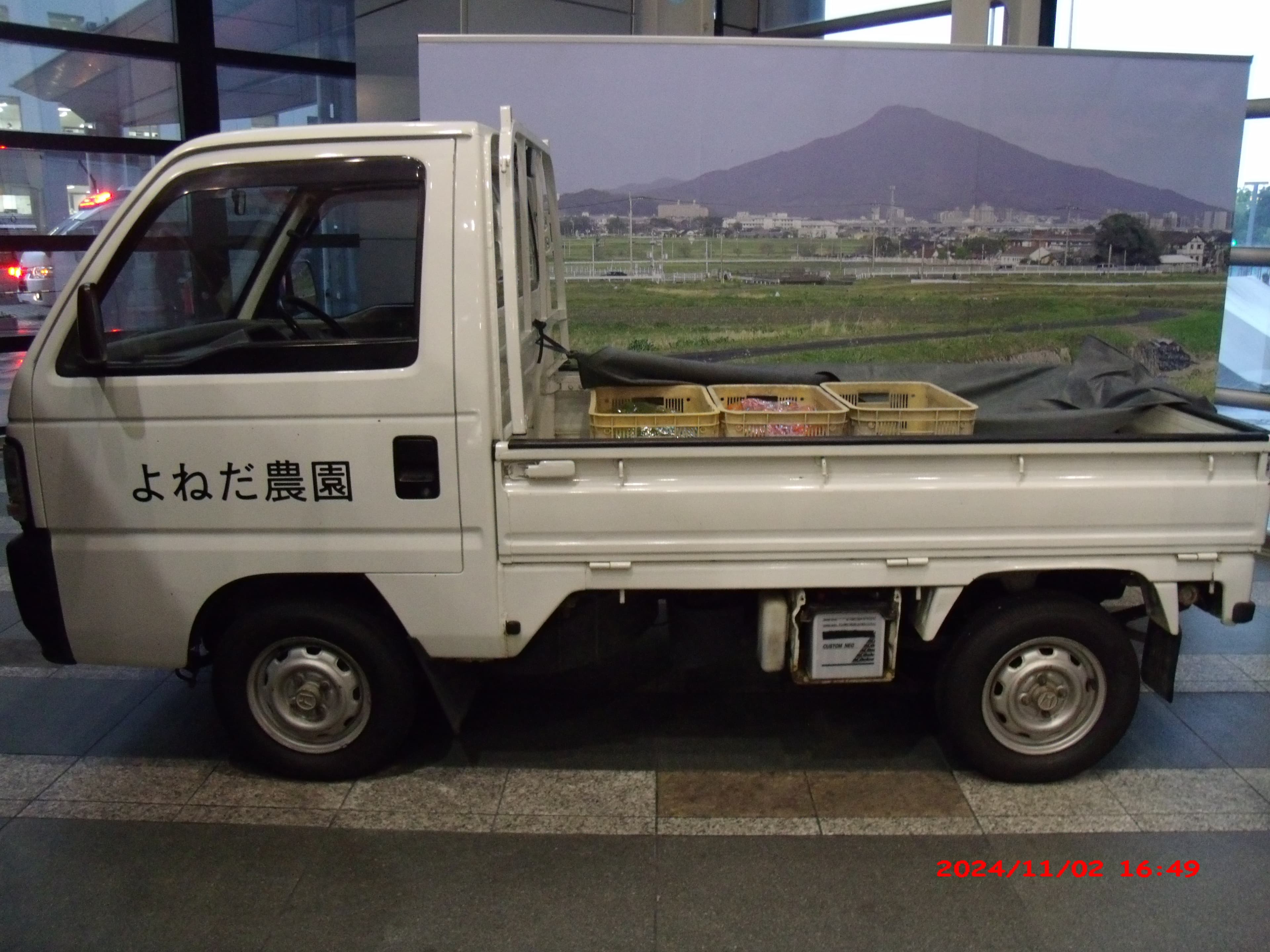
The Mechanic Problem
Here's what I tell people: buying the kei truck is the easy part. Finding someone to wrench on it when you can't — that's where it gets interesting.
Most US mechanics have never seen a kei vehicle in person. The right-hand drive layout throws them off. The part numbers are Japanese. The service manual might be in Japanese. And some shops will flat-out refuse to touch it because they don't want the liability of working on something unfamiliar.
But don't panic. The mechanical reality is that kei vehicles are simpler than most modern cars. A 660cc 3-cylinder engine with a carburetor or basic fuel injection is not rocket science. You just need to find someone willing to learn — or someone who already knows.
Types of Shops to Try (Ranked)
Not all shops are created equal when it comes to kei vehicles. Here's where I'd start looking, in order of likelihood of success.
1. JDM / Import Specialists
Your best bet. These shops already work on right-hand drive vehicles — Skylines, Silvias, Land Cruisers imported from Japan. A kei truck is just a smaller version of what they do every day. They'll have the right metric tools, know how to source JDM parts, and won't bat an eye at the steering wheel being on the "wrong" side.
2. Independent Japanese Car Shops
Shops that specialize in Honda, Toyota, Subaru, or Suzuki. They're already fluent in Japanese engineering. The jump from a 1995 Honda Civic to a 1995 Honda Acty is smaller than you'd think — same brand, same engineering philosophy, many of the same tools. A good Subaru shop will be right at home with a Sambar.
3. Small Engine / Powersports / ATV Shops
This one surprises people, but it makes sense. A kei truck engine is 660cc — that's barely bigger than a lot of motorcycles and UTVs. Powersports mechanics are comfortable with small displacement engines, carburetors, and simple drivetrains. They may not know the specific vehicle, but the mechanical principles are in their wheelhouse.
4. General Independents
Hit or miss. The good ones will be curious and willing to figure it out. The bad ones will charge you double and still get it wrong. Avoid chain shops and dealerships entirely — they're not set up for anything that isn't in their computer system.
Skip the dealerships. They can't look up your vehicle in their system, can't order parts through their usual channels, and their labor rates are the highest. An independent shop is almost always the better call for a kei vehicle.
How to Find Them
Online Search
Google these terms for your area:
- "JDM mechanic [your city]"
- "Japanese import specialist [your city]"
- "right hand drive mechanic [your state]"
- "kei truck repair [your city]"
Ask the Community
The kei vehicle community is small and helpful. Ask in these places:
- r/keitruck and r/keicar on Reddit — search first, then post your city
- minitrucktalk.com forums — the mechanic recommendation threads are gold
- Facebook groups — "Kei Truck Owners USA," "Japanese Mini Trucks," and regional groups
- Your dealer or importer — whoever sold you the vehicle probably knows local shops
Local Leads
- Check near military bases. Areas around bases with personnel returning from Japan (Camp Pendleton, Joint Base Lewis-McChord, Camp Lejeune) often have mechanics experienced with JDM vehicles.
- Ask at motorcycle shops. Even if they don't work on kei vehicles themselves, they often know who does.
- Check agricultural / farm equipment shops in rural areas. Many kei trucks are used as farm vehicles, and these shops may already service a few.
What to Say When You Call
Don't just call and say "I have a Japanese truck." That's too vague and you'll get transferred to someone who works on Tacomas. Be specific. Here's a script:
"Hi, I have a 199X [make] [model] — it's a Japanese kei truck. 660cc 3-cylinder engine, right-hand drive. I need [describe the work]. Have you worked on one of these before?"
If they say no, follow up with:
"It's mechanically pretty simple — similar to a small Honda or Suzuki. Would you be willing to take a look at it?"
That second line is important. You're telling them it's not some exotic supercar. You're lowering the intimidation factor. A lot of shops will say yes once they realize it's not as alien as it sounds.
Red Flags
Watch out for these warning signs:
- "We don't touch foreign vehicles." This usually means they can't be bothered, not that they can't do the work. Move on.
- Quoting double labor rates "because it's imported." The bolts are metric, just like every other Japanese car. The work isn't harder — it's just unfamiliar. Don't pay a premium for that.
- Can't give you a straight answer about parts. If they say "we'll have to see" about basic parts like filters and belts, they haven't done their homework. You can usually cross-reference parts yourself faster.
- Insisting on OEM-only parts from Japan. For wear items like filters, belts, and brake pads, domestic cross-references exist and work perfectly. A shop that insists otherwise is either padding the bill or doesn't know the vehicle.
- Refusing to look at your service manual. If you bring documentation and they wave it off, they're going to guess their way through the repair.
Green Flags
These are the signs you've found a good shop:
- They're curious. A mechanic who walks out to the parking lot to look at your vehicle before you even ask is a good sign. Curiosity means they'll actually think about the work instead of phoning it in.
- They work on motorcycles or ATVs too. Familiarity with small engines translates directly.
- They've worked on other JDM imports. Skylines, Land Cruisers, Delicas — if they're comfortable with right-hand drive, your kei vehicle is easy by comparison.
- They ask good questions. "What engine code is that?" or "Is it carbureted or injected?" means they're thinking like a mechanic, not just looking at a weird truck.
- They're near a military base. Proximity to returning service members means they've probably seen a few JDM vehicles roll through the bay.
- They're willing to use your parts. A shop that lets you source your own filters and parts (and charges only labor) is a shop that respects your wallet.
The DIY Reality
Here's the thing nobody tells you: kei vehicles are some of the most DIY-friendly vehicles on the road today.
The engines are tiny and accessible. There's no plastic engine cover hiding everything. On a mid-cab truck, you literally lift the seat and there's the engine. On a van, the engine is under the front seats or in the rear — but still accessible.
Most routine maintenance requires nothing more than:
- A basic metric socket set (8mm–19mm covers almost everything)
- An oil filter wrench
- A jack and stands
- A service manual (even a translated one helps)
Oil changes, air filters, spark plugs, brake pads, coolant flushes — all of these are straightforward weekend jobs. Many kei vehicle owners report doing 90% of their own maintenance and only visiting a shop for major work like timing belt replacement or transmission rebuilds.
Get the service manual. Even if it's in Japanese, the diagrams and torque specs are universal. Yokel Mechanics on YouTube has English-language walkthroughs for most common kei truck jobs. Pair a translated manual with video guides and you can handle most maintenance yourself.
What Mechanics Commonly Get Wrong
When you do find a shop, be aware of the common mistakes. Not because you should micromanage, but because catching these early saves headaches:
- Wrong oil filter. Part number cross-references aren't always obvious. Bring the correct filter number or the filter itself.
- Wrong belt size. Serpentine and accessory belts are model-specific. A belt that's "close enough" will squeal, slip, or snap. Bring the part number.
- Ignoring the 4WD vacuum system. Many kei trucks use vacuum-actuated 4WD engagement. Mechanics used to electronic transfer cases don't always check vacuum lines when diagnosing 4WD issues. A cracked vacuum line is a $2 fix that some shops misdiagnose as a $500 transfer case problem.
- Overtorquing drain plugs and wheel lugs. Kei vehicle components are smaller and lighter than what most US mechanics are used to. Torque specs are lower. An impact gun set for a Ford F-150 will strip a kei truck drain plug.
- Using the wrong coolant. Japanese vehicles typically use long-life coolant (often blue or green). Mixing coolant types causes gel formation. Ask them to flush and use the correct type.
Building a Relationship
Once you find a good shop, treat them well. Here's how:
Bring them the service manual. Even a printed-out PDF helps. You're saving them research time, and they'll appreciate it.
Source your own parts when possible. If you can hand them the correct filter, belt, or brake pads, you're eliminating the "I can't find the part" excuse and speeding up the repair.
Be patient the first time. The first job will take longer as they learn the vehicle. That's normal and expected. If they do good work, the second visit will be faster.
Be loyal. Once a shop has learned your vehicle, switching to another shop means starting the education process over. A mechanic who knows your specific truck's quirks is worth their weight in gold.
Leave reviews. Mention that they work on kei vehicles. This helps other owners find them and it brings the shop more business — which means they'll keep accepting kei vehicles.
Join a local group and recommend them. Word of mouth in the kei community is powerful. If you find a good shop, share it. The community will thank you, and the shop will thank you.
The Bottom Line
Finding a mechanic for your kei vehicle takes some legwork, but it's not the nightmare some forums make it out to be. Start with JDM specialists and Japanese car shops, use the community to find recommendations, and don't be afraid to call around. The right shop is out there — you just have to find it.
And honestly? Learn to do the basics yourself. These are simple vehicles built to be maintained by regular people. A service manual, a socket set, and a Saturday afternoon will handle 90% of what your kei vehicle needs.
For parts sourcing details, check out our Maintenance & Parts Sourcing Guide. If you're trying to diagnose a weird noise, see Common Sounds & What They Mean. And for model-specific parts cross-references, check Parts Sourcing by Model. You can also browse our community mechanic directory to find kei-friendly shops near you, and use the parts cross-reference tool to look up OEM numbers.