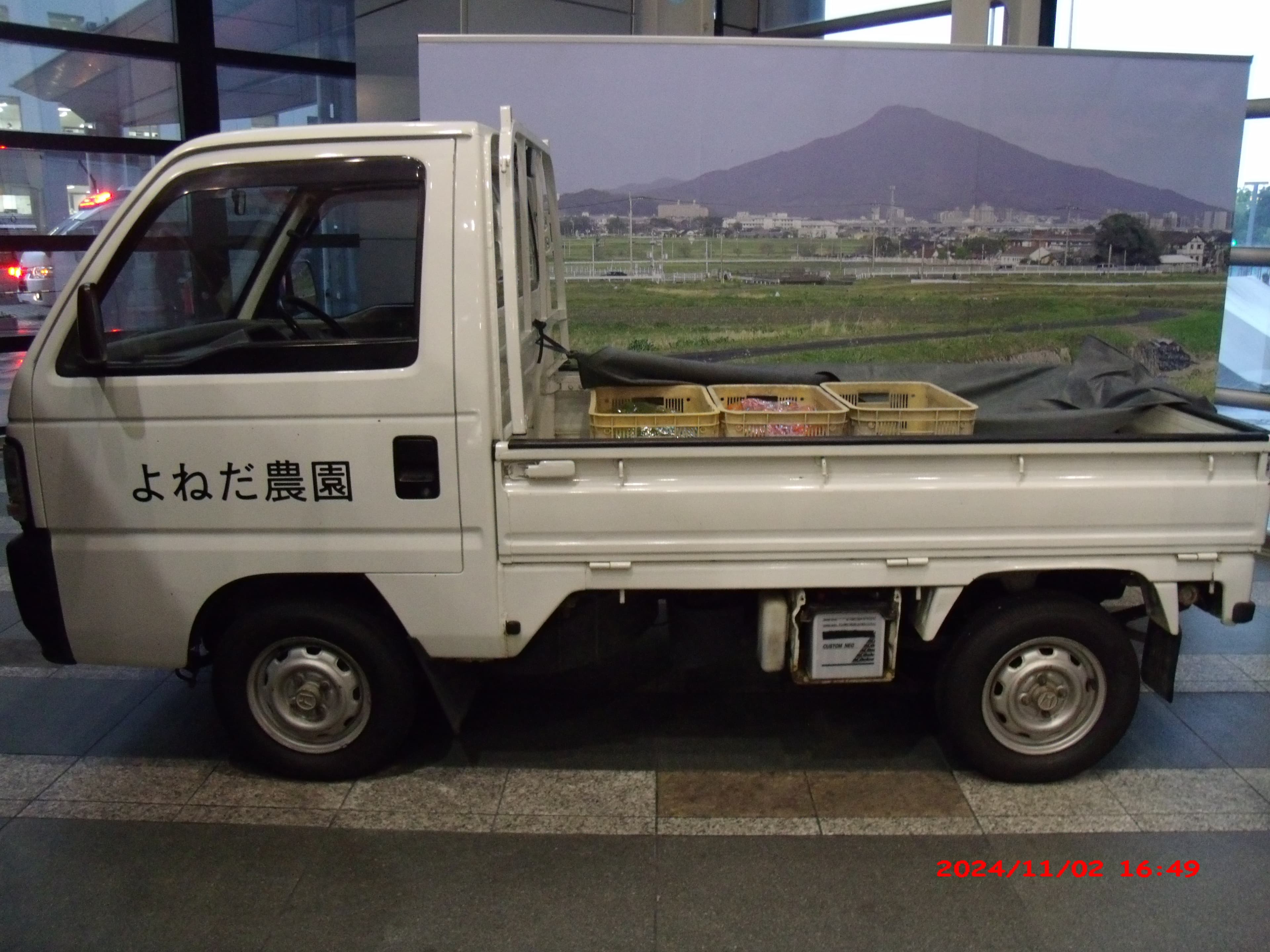
The DIY Import: It's Not as Scary as It Sounds
Here's what I wish someone had told me before I imported my '98 Acty Van: it's not rocket science, but it's also not Amazon Prime. You can't just click "buy" and have a kei truck show up on your doorstep. There's international shipping, a stack of customs paperwork, and federal compliance steps that will make you question your life choices at least once. (The EPA form alone has 47 fields. Ask me how I know.)
But thousands of Americans do this every year — and once you understand the process, it's honestly pretty straightforward. Think of it like assembling IKEA furniture: annoying, but the instructions work if you follow them. This guide walks you through every step, from finding your truck in Japan to driving it home. If you want to skip the DIY route, check our Dealer & Importer Directory — many handle the whole process for you. And if you're splitting the cost with friends, we've got a container import guide for group buys.
Want someone to handle it for you? Many US-based importers offer full-service importing. Check our Dealer & Importer Directory to find one near you.
Step 1: Verify the Truck Qualifies
Before anything else, confirm your target truck meets the NHTSA 25-year rule. The vehicle must be at least 25 years old (based on manufacture date) to be exempt from Federal Motor Vehicle Safety Standards.
How to check:
- The truck's manufacture date is on the Japanese vehicle inspection certificate (車検証, shaken-shō)
- Subtract 25 from the current year — that's the newest model year you can import
- As of 2025, trucks manufactured in 2000 or earlier qualify
The 25-year rule is based on manufacture date, not model year. A truck built in December 1999 qualifies in January 2025, even if it's a "2000 model year."
Step 2: Find Your Truck
Option A: Japanese Auto Auctions
Japanese auto auctions are the primary source. Major auction houses include:
- USS (Used car System Solutions) — Japan's largest auction network
- TAA (Toyota Auto Auction) — Toyota's auction system
- HAA (Honda Auto Auction) — Honda's network
- JU (Japan Used car association) — regional auctions nationwide
You can't bid directly — you'll need a Japanese auction agent or US-based importer who has auction access.
What to look for in auction sheets:
- Condition grade: 3.5+ is good, 4+ is excellent
- Mileage: Under 100,000 km is ideal for a 25+ year old truck
- Inspection history: Regular shaken (inspection) records show good maintenance
- Accident history: Marked as 修復歴 (shūfuku-reki) — avoid vehicles marked R (repaired)
Option B: Direct from Japanese Dealers
Some Japanese used car dealers specialize in export vehicles. This costs a bit more than auctions but gives you:
- The ability to inspect and test-drive before buying
- Negotiation room
- Known condition (vs. auction uncertainty)
Option C: US Importers with Japan Inventory
The easiest option. US importers maintain relationships with Japanese sourcing partners and can show you available inventory. Many post photos and auction sheets on their websites.
Step 3: Purchase and Export from Japan
Once you've found your truck:
- Complete the purchase — pay the auction price or dealer price plus buyer's fee
- Deregister the vehicle in Japan — the seller handles this, producing an Export Certificate (輸出抹消仮登録証明書)
- Arrange inland transport — get the truck to a Japanese port (Yokohama, Kobe, Nagoya, or Osaka are most common)
- Book ocean freight — either RoRo (Roll-on/Roll-off) or container shipping
RoRo vs. Container Shipping
| Feature | RoRo | Container |
|---|---|---|
| Cost | $800–$1,500 | $1,500–$3,000 |
| Speed | 3–5 weeks | 4–6 weeks |
| Protection | Exposed to elements | Fully enclosed |
| Extra cargo | Nothing inside the truck | Can pack parts/accessories inside |
| Best for | Budget-conscious buyers | Valuable trucks or parts shipments |
Pro tip: If shipping by container, you can fill the truck bed and cab with parts, tires, or accessories at no extra shipping cost — they're already inside the container.
Step 4: US Customs Clearance
When your truck arrives at a US port, it enters customs. You'll need:
Required Documents
- Bill of Lading (B/L) — proof of shipment from the shipping line
- Japanese Export Certificate — proves the vehicle was legally exported
- Commercial Invoice — shows the purchase price (used for duty calculation)
- EPA Form 3520-1 — declares the vehicle's emissions exemption status (25-year exemption = code E)
- DOT/NHTSA Form HS-7 — declares the vehicle's safety exemption status (Box 2B for 25-year exemption)
- CBP Entry Form 7501 — customs entry summary
Duties and Fees
- Customs duty: 2.5% of declared vehicle value
- Harbor Maintenance Fee: 0.125% of vehicle value
- Merchandise Processing Fee: 0.3464% of vehicle value (minimum $31.67, maximum $614.35)
- Customs broker fee: $150–$400 if using a broker (recommended)
Declare the real purchase price. CBP cross-references auction records. Undervaluing to save on duty is fraud and can result in seizure of the vehicle plus fines.
Step 5: Port Pickup and Inspection
After customs clears the vehicle:
- Pay port storage fees — typically $50–$100/day, so pick up promptly
- Arrange transport — either drive it out (if it runs) or hire a flatbed/transporter
- Inspect the vehicle — check for shipping damage, fluid levels, battery condition
Step 6: State Title and Registration
This varies significantly by state. See our State Regulations page for your state's specific requirements.
General process:
- Get the vehicle titled — bring your import documents (bill of lading, customs entry, export certificate) to your local DMV/MVD
- Pass any required inspections — safety inspections, emissions testing (varies by state)
- Register the vehicle — pay registration fees, get plates
- Get insurance — see our Insurance Guide for kei truck-specific tips
Some states are much easier than others for kei truck registration. Montana, Idaho, and Alabama are known as particularly import-friendly states.
Timeline Summary
| Step | Timeframe |
|---|---|
| Find and purchase truck | 1–4 weeks |
| Japan inland transport to port | 3–7 days |
| Ocean shipping | 3–6 weeks |
| US customs clearance | 3–10 business days |
| Port pickup and transport | 1–3 days |
| State title and registration | 1–4 weeks |
| Total | 8–14 weeks |
Cost Breakdown
| Expense | Typical Range |
|---|---|
| Vehicle purchase (Japan) | $3,000–$10,000 |
| Japan auction/buyer fee | $200–$500 |
| Japan inland transport | $200–$500 |
| Ocean shipping (RoRo) | $800–$1,500 |
| US customs duties/fees | $150–$500 |
| Customs broker | $150–$400 |
| US port fees | $100–$300 |
| Domestic transport | $200–$1,000 |
| State title/registration | $100–$500 |
| Total landed cost | $5,000–$15,000 |
Use our Import Cost Calculator to estimate your specific total landed cost based on truck price, shipping route, and destination state.
Common Mistakes to Avoid
- Not checking state laws first — some states won't register kei trucks at all
- Skipping the customs broker — the paperwork is complex; one error can delay your truck for weeks
- Buying sight-unseen without an inspection report — auction grades help, but rust and hidden damage are common on 25+ year old trucks
- Forgetting about domestic transport costs — your truck arrives at a port, not your driveway
- Not budgeting for repairs — most imported trucks need at least minor work (battery, fluids, tires, brakes)
Next Steps
- Check your state's regulations to confirm kei trucks are legal where you live
- Browse the truck database to find the right model for your needs
- Take the quiz to get a personalized truck recommendation
- Use the calculator to estimate your total import cost
- Find a dealer or importer to get started