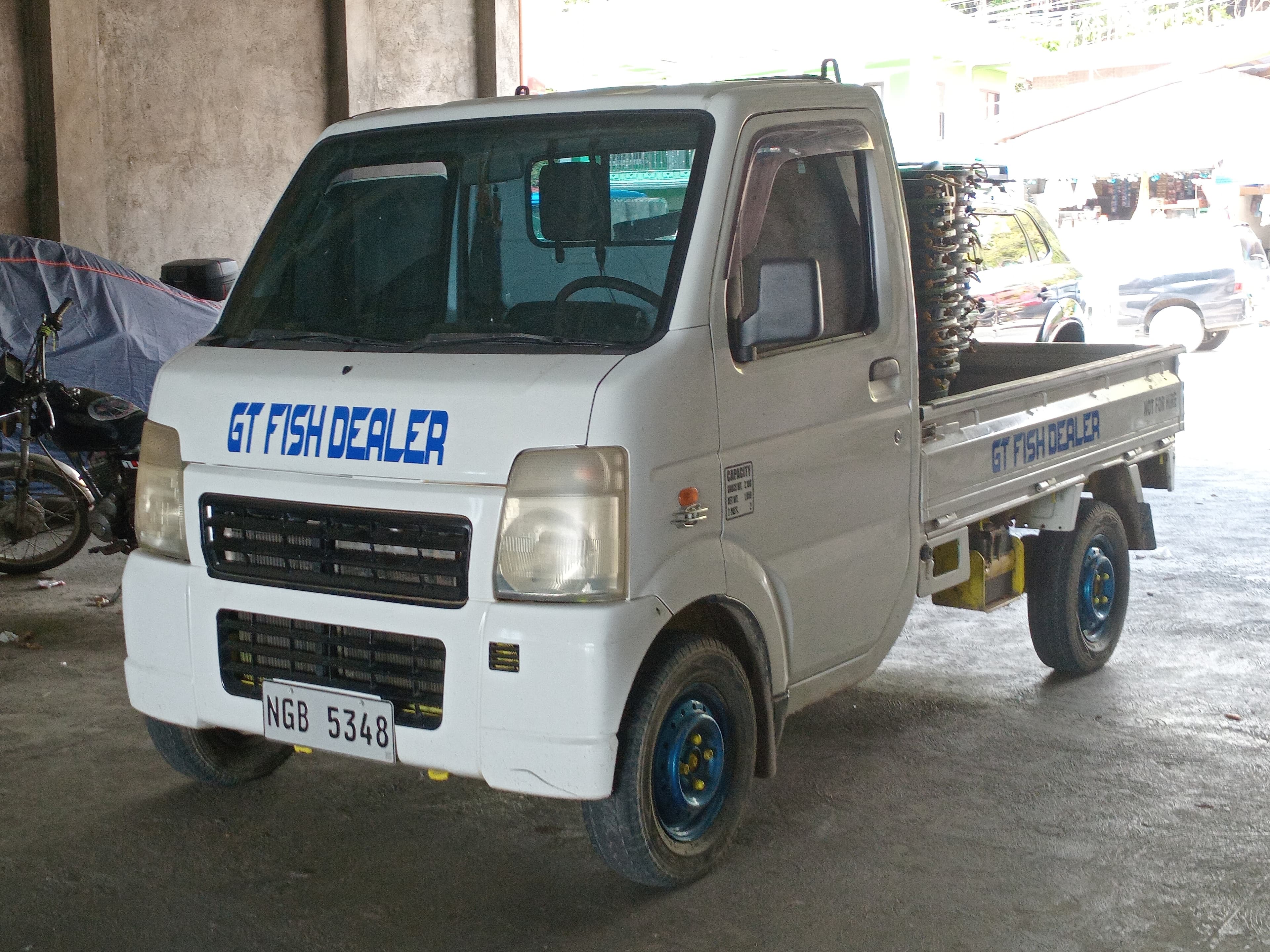
Why I Bought a Kei Truck (And Why You're Here)
I bought my first kei truck — a 1997 Suzuki Carry I call "Old Faithful" — for $4,200 off Craigslist. I needed something cheap to haul mulch for my landscaping side hustle. That was five years ago. I now own three kei vehicles and run a website about them. So yeah, these things are a gateway drug.
You're reading this because you've seen the tiny trucks on Instagram, Reddit, or parked outside your local hardware store, and you're thinking "Could I actually buy one of those?" The answer is yes. But there are things you need to know first, and nobody tells you half of them. Here's what I wish someone had told me.
Kei trucks (軽トラック, kei torakku) are Japan's miniature workhorses — engines under 660cc, bodies under 3.4 meters long, and they punch way above their weight class. In the US, they've found a following among farmers, hunters, landscapers, contractors, and enthusiasts who appreciate Japanese engineering. If you're not sure whether a kei truck is right for you, take our quiz — it'll match you with the right model in 2 minutes.
The 25-year import rule means new model years become available every January. As of 2025, trucks from 2000 and earlier are importable.
Understanding the 25-Year Rule
The EPA and NHTSA both enforce import regulations on foreign vehicles. The key exemption for kei truck buyers is the NHTSA 25-year rule: vehicles 25+ years old are exempt from Federal Motor Vehicle Safety Standards (FMVSS).
This means:
- The truck doesn't need to meet US crash test standards
- It doesn't need US-spec lighting, bumpers, or emissions equipment
- It can be imported "as-is" from Japan
The 25-year rule only covers federal requirements. Your state may have additional restrictions on registration, titling, and road use. Always check your state's regulations before buying.
Where to Buy
US-Based Importers
The easiest route for most buyers. Reputable importers handle the entire process:
- Source the truck at Japanese auctions
- Handle shipping and customs
- Complete EPA and NHTSA paperwork
- Deliver to your door (or their lot for pickup)
Expect to pay a $1,500–3,000 premium over auction price for this convenience.
Japanese Auction Houses
For the adventurous buyer, purchasing directly from Japanese auctions can save money but requires more legwork:
- You'll need a buying agent or auction access
- Must arrange your own shipping and customs brokerage
- More selection but also more risk
- Best for buyers who know exactly what they want
Private Sales
Kei trucks already in the US can be found on:
- Facebook Marketplace and kei truck groups
- Craigslist (search "kei truck" or specific model names)
- Bring a Trailer (occasionally)
- Mini truck forums and communities
Cost Breakdown
Here's what to expect for a typical kei truck purchase through an importer:
| Cost Item | Typical Range |
|---|---|
| Vehicle (at auction) | $3,000 – $8,000 |
| Shipping (Japan to US port) | $1,500 – $2,500 |
| Customs & duties | $500 – $1,000 |
| Importer fee | $1,500 – $3,000 |
| State registration & title | $100 – $500 |
| Total | $6,600 – $15,000 |
Trucks from less popular manufacturers (Mazda Scrum, Mitsubishi Minicab) are often $2,000–3,000 cheaper than the highly sought-after Suzuki Carry or Honda Acty.
What to Look For
Condition Grade
Japanese auctions use a grading system from 1 (poor) to 5 (excellent):
- Grade 4–5: Excellent condition, minimal wear. Best for first-time buyers.
- Grade 3.5: Good condition with minor cosmetic issues. Sweet spot for value.
- Grade 3: Fair condition, may need some work. Good for mechanics.
- Below 3: Significant issues. Only for experienced buyers or parts trucks.
Key Inspection Points
- Frame rust — Check the undercarriage thoroughly. Japanese trucks from snowy regions (Hokkaido, Tohoku) may have significant rust.
- Engine condition — Listen for knocking, check oil color, look for leaks
- Transmission — Test all gears, including 4WD if equipped
- Bed condition — Look for dents, rust-through, and dump mechanism function
- Electrical — Check all lights, wipers, and accessories
After You Buy
Registration Process
- Obtain the vehicle title from your importer or customs broker
- Get a state vehicle inspection (if required)
- Visit your local DMV with:
- Title or bill of sale
- EPA Form 3520-1 (proof of import compliance)
- NHTSA HS-7 declaration
- Proof of insurance
- Pay registration fees and sales tax
- Receive your plates!
Some states require you to obtain a bonded title if the original Japanese title isn't accepted. This involves purchasing a surety bond (typically $100–200) and waiting a period before receiving a clean title.
Next Steps
Ready to start your kei truck journey? Here's what to do:
- Check your state's regulations — Visit our State Regulations page
- Research models — Browse our Truck Database to find your ideal kei truck
- Set your budget — Use the cost breakdown above as a starting point
- Contact importers — Get quotes from 2-3 reputable importers
- Join the community — Connect with other owners for advice and support