Let me be upfront: if your goal is to embarrass Mustangs at a traffic light, close this article and buy a Miata. But if your goal is to build something that's an absolute riot on a backroad, puts a permanent grin on your face, and costs less than most people's car payments — keep reading.
Kei vehicle performance is about one thing: power-to-weight ratio. When your vehicle weighs 1,600 lbs, every horsepower matters. A 20 hp gain that's meaningless on a 4,000 lb sedan is transformative on a kei vehicle.
The Starting Points
Best Kei Platforms for Performance
Suzuki Cappuccino (EA11R/EA21R) — The classic choice. Front-engine, rear-drive, turbo, 1,590 lbs. It's already set up for performance — you're just unlocking what's there.
Honda Beat (PP1) — Mid-engine, naturally aspirated, 1,675 lbs. The rev-happy E07A with MTREC is a masterpiece. Performance mods focus on breathing and weight, not forced induction (though turbo kits exist).
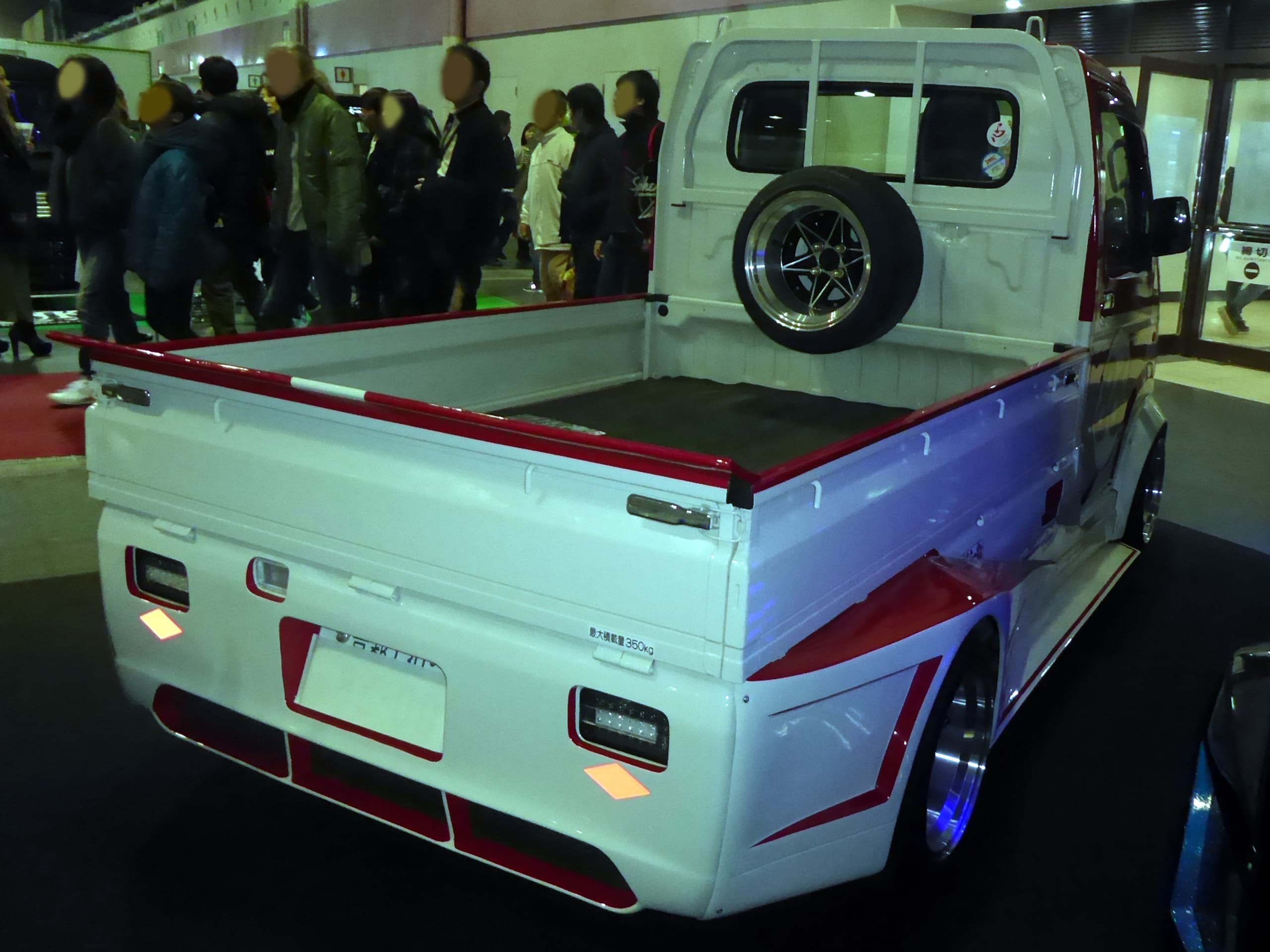
Subaru Sambar (supercharged TT1/TT2) — The truck platform. Factory supercharged EN07 with 55 hp. The only kei truck worth doing serious performance work on.
Suzuki Jimny (JA11/JA22) — Off-road performance. Turbo, ladder frame, low range. Performance here means better articulation, more aggressive tires, and engine reliability under stress.
Tier 1: Bolt-Ons ($500-$1,500)
These are the mods that give you the most return for the least investment. Start here.
Exhaust
The factory exhaust on every kei vehicle is restrictive. It's designed for noise regulations, not flow. A cat-back or turbo-back exhaust upgrade frees up 5-10 hp and makes the engine sound alive.
On turbo vehicles (Cappuccino, Jimny, Sambar SC), the gains are even larger because turbo engines are more sensitive to exhaust restriction.
Cost: $200-500 depending on whether you go custom or kit.
Air Intake
Factory air boxes are similarly restrictive. A simple pod filter or upgraded air box improves throttle response and adds a few horsepower. On turbo vehicles, pair this with a larger intercooler for real gains.
Cost: $50-150 for a pod filter, $200-400 for an intake kit.
Boost Controller (Turbo Vehicles Only)
Factory turbo kei vehicles run conservative boost levels — usually 0.5-0.7 bar. A manual or electronic boost controller lets you safely increase to 0.8-1.0 bar, which can add 10-15 hp.
Warning: You must also upgrade your fuel system if you increase boost significantly. Running lean under boost kills engines fast.
Cost: $80-200 for a manual controller, $200-400 for electronic.
Tires
I put this in "performance mods" because it's the single biggest handling improvement you can make. Stock kei vehicle tires are cheap, hard, and designed for longevity, not grip. A set of performance tires (Yokohama Advan Neova, Dunlop Direzza, Federal RS-RR) transforms the car.
On a 1,600 lb vehicle, sticky tires give you cornering ability that heavier cars can't match regardless of horsepower.
Cost: $300-600 for a set.
Tier 2: Serious Mods ($1,500-$5,000)
Suspension
Coilovers or adjustable dampers let you dial in the handling for your specific use case. Lower the car 1-2 inches, stiffen the springs, and the kei vehicle goes from "cute commuter" to "canyon weapon."
For trucks: upgraded leaf springs or helper springs improve loaded handling without sacrificing ride quality.
Cost: $600-1,500 depending on brand and adjustability.
ECU Tuning / Piggyback
On turbo vehicles, an ECU tune or piggyback controller (like a GReddy e-Manage) lets you optimize fuel and ignition maps for your specific mods. This is where the bolt-ons start working together as a system.
A good tune on a Cappuccino with exhaust, intake, and boost controller can yield 80-90 hp (from 64 stock). On a 1,590 lb car, that's noticeable.
Cost: $300-800 for a piggyback, $500-1,000 for a standalone ECU.
Weight Reduction
The cheapest horsepower-per-dollar mod: remove weight. On a kei vehicle, even small removals matter.
- Strip rear seats (trucks don't have them anyway): 20-30 lbs
- Replace spare tire with repair kit: 25 lbs
- Remove unnecessary sound deadening: 15-30 lbs
- Lightweight wheels (Enkei RPF1, Rays TE37): 10-20 lbs saved
Every 30 lbs off a 1,600 lb vehicle is roughly equivalent to 1 hp gain. It's free and it improves everything — acceleration, braking, handling.
Tier 3: Full Builds ($5,000+)
Turbo Kit (N/A Engines)
The Honda Beat with a turbo kit is legendary in the kei car community. It's expensive, complex, and transforms the vehicle completely. Expect 80-100+ hp with supporting mods.
Sambar naturally aspirated models can also be turbocharged, though most people just buy the factory supercharged version.
Cost: $2,000-5,000 for a kit plus supporting mods.
Engine Swap
Rare but it happens. Some builders have swapped larger motorcycle engines or modified kei engines into kei vehicles. This is deep enthusiast territory — not for beginners.
Roll Cage and Track Prep
If you're taking a kei sports car to track days (and you should — they're hilarious on track), a roll cage, harness, and fire extinguisher make it safer and often faster (additional stiffness).
The Philosophy
Building a fast kei vehicle isn't about the numbers. A 90 hp Cappuccino isn't going to impress anyone on a spec sheet. But drive one on a mountain road and you'll understand something that people with 500 hp cars never will: speed and fun are completely different things.
These vehicles reward skill, not horsepower. They reward bravery, not budgets. And they reward the kind of driver who appreciates that the journey matters more than the destination — especially when the journey involves 8,000 RPM and an open top.
Build it. Drive it. You won't regret it.