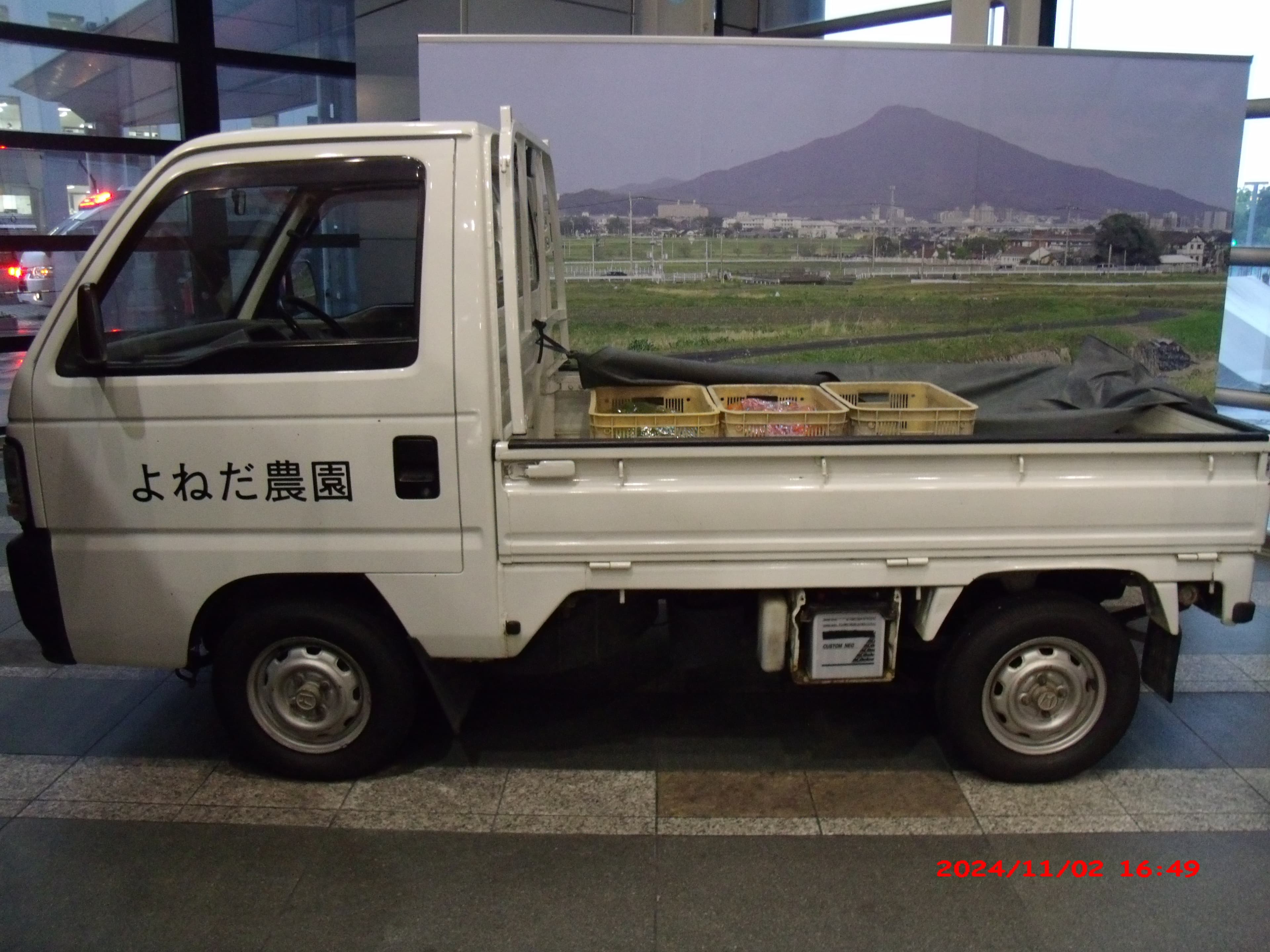
The Title and Registration Process
I've been to four DMVs in three states helping owners register kei trucks. None of them agreed on anything, including what day it was. When my dad bought his '95 Carry for the hobby farm in Chesapeake, the clerk told him his chassis number "wasn't a VIN." It is — it's just a different format. Three visits and one supervisor later, he had plates.
Getting your kei truck titled and registered is often the most confusing step of ownership — more confusing than the actual import process. Not sure if your state even allows it? Use our registration check tool to find out instantly. You'll also need insurance before you can register.
Check your state first. Before buying a kei truck, verify it can be registered where you live. See our State Regulations page. Some states simply won't register kei trucks for road use, regardless of documentation.
Documents You Need
Gather all of these before visiting the DMV:
Import Documents
- Bill of Lading — proves the vehicle was shipped to the US
- Customs Entry Summary (CBP 7501) — proves duties were paid and the vehicle was legally imported
- EPA Form 3520-1 — proves EPA compliance/exemption
- NHTSA/DOT Form HS-7 — proves safety compliance/exemption (25-year rule)
Vehicle Documents
- Japanese Export Certificate (輸出抹消仮登録証明書) — the closest thing to a Japanese "title"
- Bill of Sale — showing purchase price and seller information
- Vehicle photos — helpful to have on your phone in case the DMV needs to see the truck
State-Specific Documents
- Safety inspection certificate — if your state requires one
- Emissions test results — if your state requires them
- Insurance card — proof of insurance (must be obtained before registration in most states)
Make copies of everything. DMVs sometimes keep originals, and you may need to visit multiple times or offices. Have at least two copies of every document.
Step-by-Step Process
Step 1: Get Insurance
Most states require proof of insurance before you can register a vehicle. Get your policy in place first — see our Insurance Guide for kei truck-specific tips.
Step 2: Complete Required Inspections
If your state requires safety and/or emissions inspections:
- Safety inspection: Take the truck to a licensed inspection station. Common issues: headlight aim, tire condition, brake function, horn, lights
- Emissions inspection: Many states exempt vehicles over 25 years old from emissions. Check your state's rules.
Step 3: Visit the DMV
Bring all documents and:
- Request a title application for an imported vehicle
- Provide the chassis number as the VIN — Japanese chassis numbers are shorter and formatted differently than US VINs
- Provide the import documents to prove legal importation
- Pay titling fees — varies by state, typically $15–$100
- Pay registration fees — varies by state and vehicle value, typically $50–$300
- Pay sales tax — based on purchase price or assessed value, varies by state
Step 4: Get Plates
Once titled and registered, you'll receive:
- A state title in your name
- Registration card
- License plates (some states issue temporary tags while permanent plates are mailed)
Common Roadblocks and Solutions
"We can't find that VIN in our system"
This is the most common issue. Japanese chassis numbers don't match the US 17-character VIN format.
Solution: Ask the DMV clerk to manually enter the chassis number. Most DMV systems have an override for non-standard VINs. You may need to speak with a supervisor.
"We need a VIN inspection"
Some states require a physical VIN inspection for imported vehicles. This is a quick check where an officer verifies the chassis number matches your paperwork.
Solution: Schedule the VIN inspection before your DMV visit. Your local police department, highway patrol, or a licensed VIN inspector can do this. It's usually free or costs $10–$25.
"We don't register these"
If the DMV clerk refuses to process your registration:
Solution:
- Ask to speak with a supervisor
- Bring printed copies of your state's statute allowing 25-year-old exempt vehicles
- Reference the specific state code that permits registration of imported vehicles
- If still refused, contact your state's DMV headquarters directly
- As a last resort, some owners register in import-friendly states first (like Montana) and then transfer the title
Montana LLC registration: Some owners create a Montana LLC to register vehicles in Montana (which has no sales tax and minimal restrictions). This is legal but controversial, and some states are cracking down on it. Research the implications for your state before going this route.
"You need an emissions test"
Many states exempt vehicles over 25 years old from emissions testing. But some clerks don't know this.
Solution: Look up your state's emissions exemption age and bring documentation showing your truck qualifies for the age exemption.
State-by-State Tips
Easy States (import-friendly)
These states have straightforward processes and minimal restrictions:
- Montana — No sales tax, no inspections, easy titling
- Idaho — No inspections, simple process
- Alabama — Straightforward, import-friendly DMV
- New Hampshire — No sales tax, easy registration
- South Dakota — Minimal requirements
Moderate States (some hoops to jump through)
- Texas — Safety inspection required, but generally smooth
- Pennsylvania — Safety + emissions in some counties, but well-documented process
- Oregon — Emissions in Portland metro only, otherwise easy
- Virginia — Safety inspection required, but DMV staff are experienced with imports
Difficult States (significant restrictions or prohibitions)
- California — Effectively prohibited for road use (CARB emissions)
- New York — Very strict safety inspection standards
- Hawaii — Does not register kei trucks for road use
- Rhode Island — Does not register kei trucks for road use
Pro Tips
I've surveyed 147 owners about their DMV experience. The average owner visits the DMV 2.3 times before successfully registering. One person went seven times. In Connecticut. Here's what the successful ones did differently:
- Go early in the day — DMV clerks are more patient and willing to research unfamiliar vehicles when they're not rushed. My dad went at 8am on a Tuesday. The clerk had coffee and goodwill. It matters.
- Be friendly and patient — you may be the first kei truck they've ever seen. Educate, don't argue. Bring photos of the truck on your phone — it helps when they're trying to understand what you're registering.
- Bring a friend who's done it — if you know another kei truck owner in your state, ask them to come along or share their experience
- Call ahead — some DMV offices will tell you exactly what to bring over the phone. In Richmond, I have a favorite clerk. Her name is Denise. She's seen three kei trucks this year.
- Try different offices — if one location refuses, another may have more experienced staff. This is not a marathon — well, it is, but the kind where you're allowed to change routes mid-race.
Next Steps
The data shows that owners who come prepared — all documents, printed statutes, photos — register successfully on their first visit 74% of the time. The vibes say "just wing it." Trust the data.
- Check your state's regulations for specific requirements
- Get insurance before visiting the DMV
- Find a dealer — some help with titling and registration
- Calculate your total costs — include registration fees in your budget