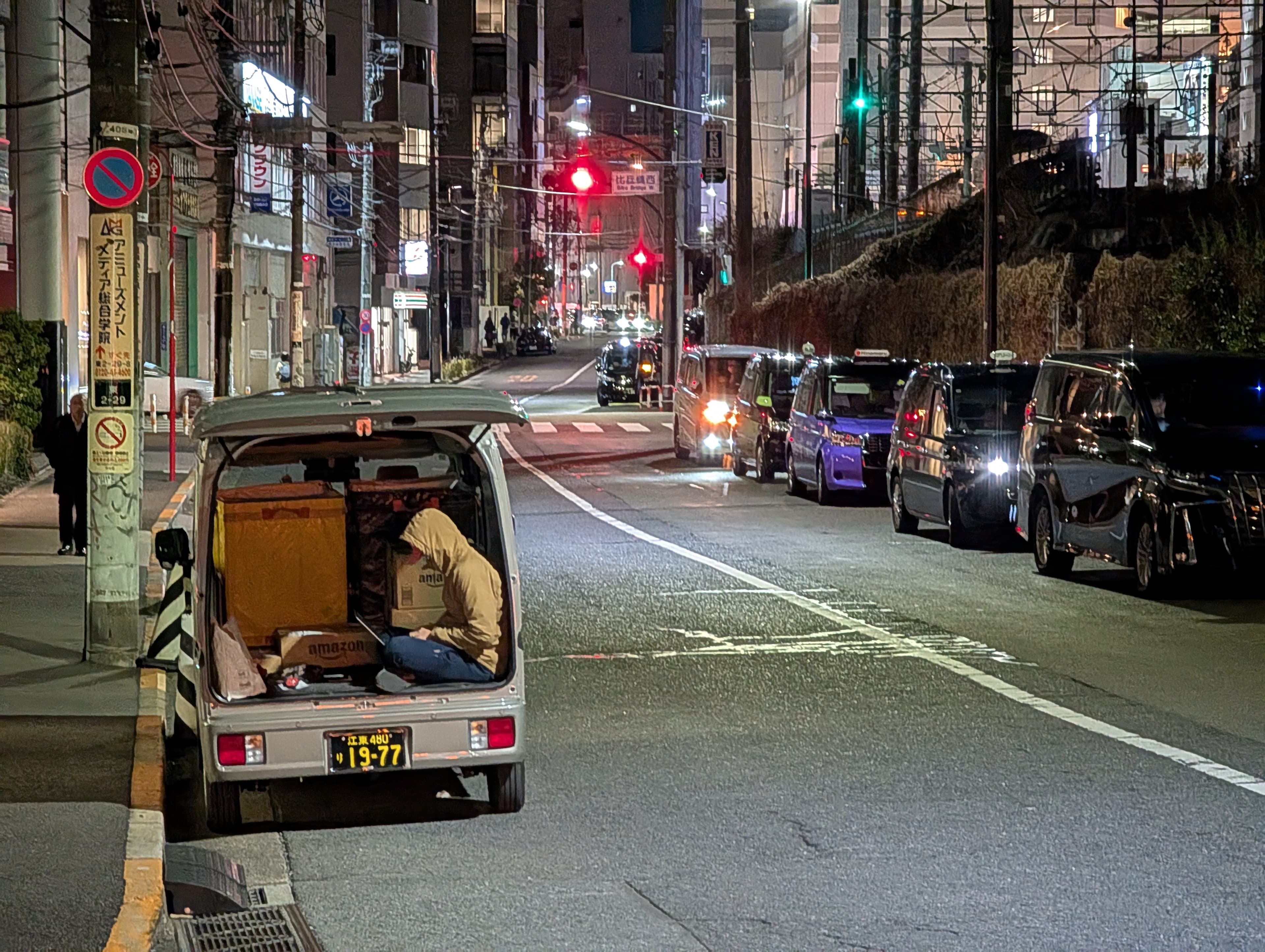
My dad's '95 Carry has never earned a dollar, which makes it the easy case. The hard case turned up on r/keitruck this month: someone who bought a '99 Hijet in May, spent the summer falling in love with it, and is now turning it into a mobile book truck. They were trying to insure it and getting nowhere.
That is a specific problem with a specific answer, and it is not the one in our main insurance guide. That guide covers insuring a kei truck you drive. This one covers insuring a kei truck that works for you.
The short version
The moment money changes hands for what the vehicle is doing, personal auto stops applying. Every personal policy contains a business-use exclusion. It is not a technicality carriers ignore — it is the thing they check when a claim comes in.
The failure mode here is silent. Your personal policy does not bounce when you start a business; it keeps taking your premium and looks completely normal right up until the day you file a claim, and then the business use is the reason it is denied. Nobody tells you at the start. You have to move first.
What counts as business use
Broader than most people expect. Carriers generally treat it as business use if you are compensated for the activity the vehicle is part of:
- Deliveries of any kind, including your own products
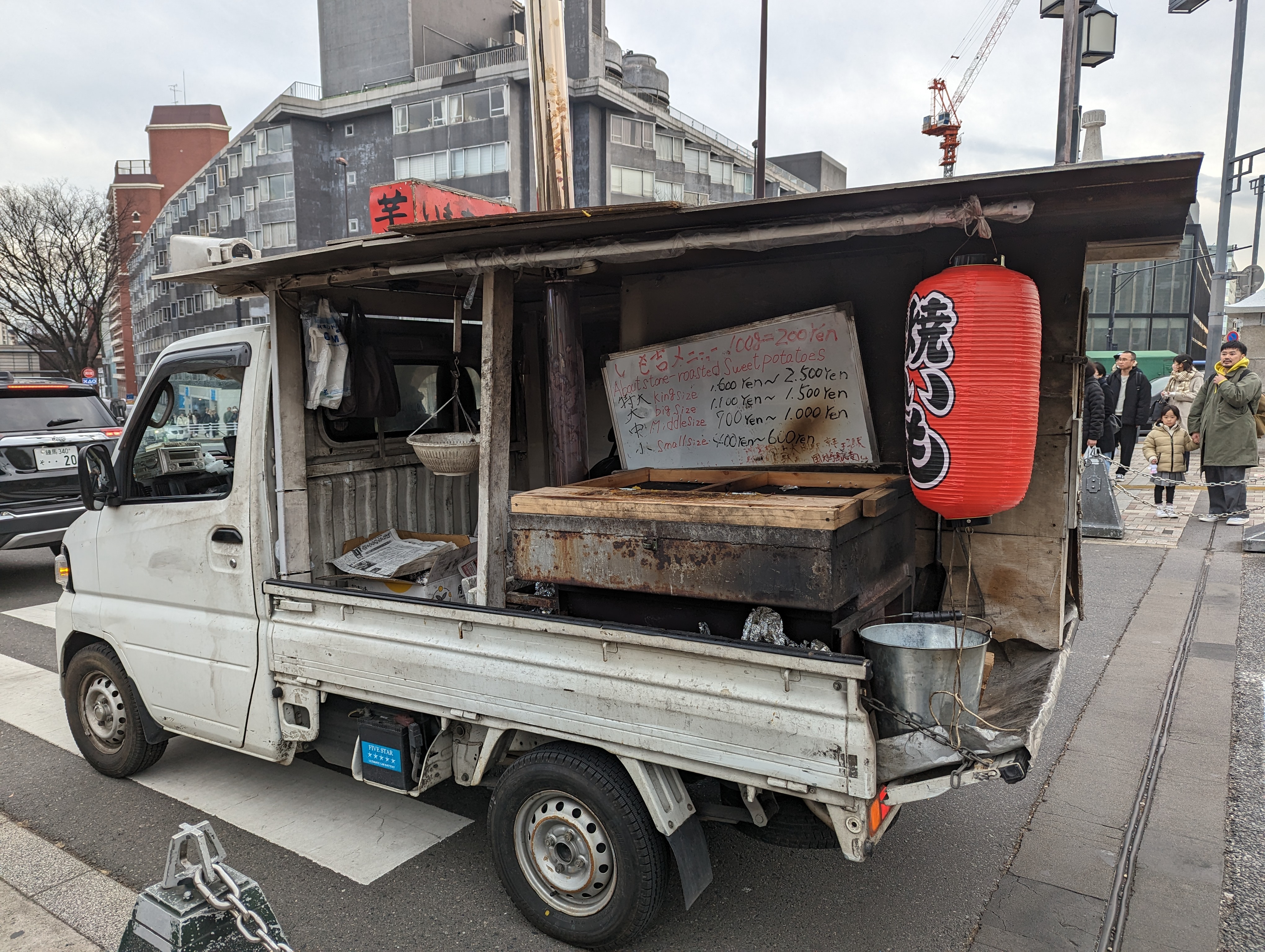
- Mobile vending — coffee, food, flowers, books
- Hauling tools, stock or equipment to job sites
- Mobile services performed out of the vehicle
- Anything with your business name painted on the side
Two things that usually do not count: commuting to a job you do not own, and occasionally moving something for a friend. The line is compensation tied to the trip, not whether the truck looks commercial.
The awkward middle case is the one the book-truck owner is in — a business that is also obviously a passion project, run part-time, that also gets driven to the grocery store. That is normal, and it is handled by disclosing both uses rather than by picking one.
Why kei trucks make this harder than it should be
Three things stack up, and only one of them is really about the truck.
The VIN. Japanese chassis numbers do not fit the 17-character North American VIN format. Direct-to-consumer commercial quoting tools validate that format and reject the vehicle before a human sees it. This is the same wall described in the main insurance guide, and it is why the phone consistently outperforms the website here.
Vehicle classification. Commercial auto is rated partly on vehicle class and gross weight. A kei truck is far lighter than anything the rating tables expect for a work vehicle, and some systems have no sensible box for it. An experienced agent will pick a light-truck class and move on; an inexperienced one will get stuck.
Registration status. This is the one that stops the conversation cold. In a state that does not register kei trucks for road use, there is no road-legal commercial operation to insure. Check your own state on our regulations tracker before you spend an afternoon on the phone — if the answer there is no, that is your actual problem, not the insurance.
Who actually writes these
Fewer names than the personal-policy list, and the collector insurers largely drop off — Hagerty, Grundy and American Collectors write limited-use policies, and a working vehicle is the opposite of limited use.
| Carrier type | Examples | Notes |
|---|---|---|
| Standard commercial | Progressive Commercial | The most commonly reported starting point. Broad commercial appetite and generally able to enter the vehicle manually. |
| Farm / agricultural | Farm Bureau (state offices) | Strong option for agricultural use. Many state offices already insure kei trucks as farm equipment. Varies significantly by state. |
| Independent agents | Local, multi-carrier | Often the highest-success route. They shop several carriers and can steer around the ones that will reject the VIN outright. |
| Business owner's policy (BOP) | Various | Covers the business generally. Usually needs a commercial auto policy alongside it for the vehicle itself. |
We keep a broader list on the insurance directory, though that page is oriented toward personal coverage — for commercial, treat it as a source of phone numbers rather than a shortlist.
What to have ready when you call
The call goes better when you lead with the facts that usually derail it. Have these written down:
- Year, make, model, and chassis code — e.g. "1999 Daihatsu Hijet, S110P". Our chassis decoder will confirm the code from your plate or VIN plate.
- The Japanese chassis number, and the sentence "this is an imported vehicle, the VIN is not 17 characters." Say it early. It saves ten minutes.
- Your registration status — titled and registered in your state, and under what classification.
- The actual business use, honestly and specifically. "Mobile bookshop, roughly 15 miles a week, parked at events, stock stays in the bed."
- Radius of operation — how far from home base you go. Commercial rating cares about this a lot.
- What you carry, and its value. Cargo coverage is separate from liability and often forgotten until something is stolen.
Ask specifically whether the policy covers the contents. Auto liability covers what you do to other people; it does not cover the thousand dollars of inventory in the bed. For a mobile retail business that inventory is the business, and it usually needs either an inland marine endorsement or coverage under a BOP.
The honest cost picture
I am not going to publish a range and let you plan around it, because the numbers vary too much to be useful. What I can tell you is what actually drives the price:
- Liability limits. Commercial minimums are much higher than personal. This is the single biggest factor.
- Radius and frequency. A truck that does farmers' markets on Saturdays rates very differently from one doing daily deliveries.
- Cargo value, if you insure it.
- Your claims and driving history, as always.
What does not drive it much: the truck being Japanese, or being 25 years old. Once a carrier agrees to write it, the vehicle's low value and low speed are not the expensive part. The liability is.
Budget for this properly before you commit to the business idea — it belongs in the same spreadsheet as the truck itself. Our real-math ownership guide covers the non-commercial baseline you are adding to.
The registration trap, one more time
I want to be blunt about this because it is the failure that wastes the most time and money.
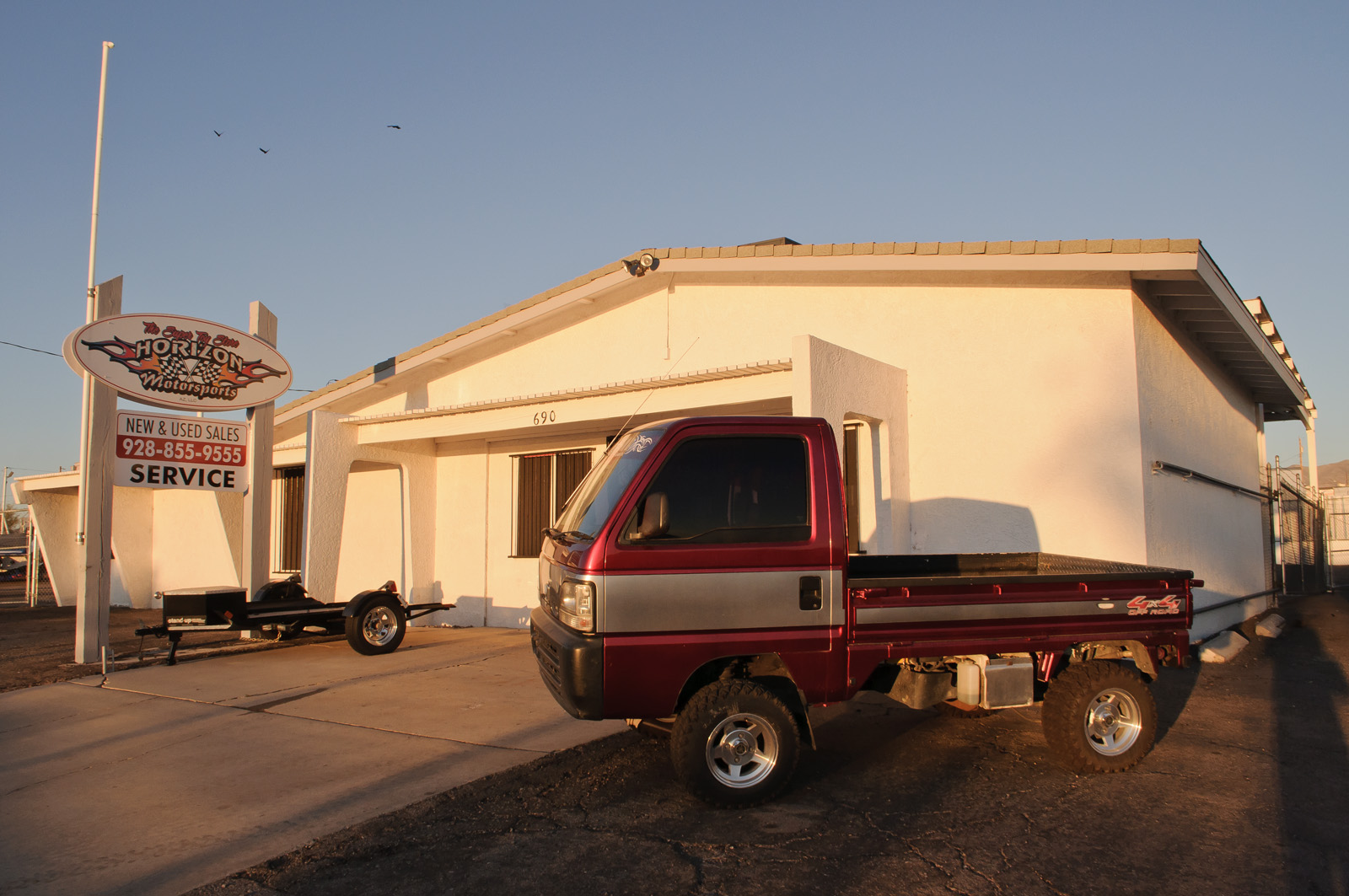
Federal law lets you import a 25-year-old kei truck. It says nothing about whether your state will let you drive it on a public road, and it says nothing about commercial operation. Those are separate approvals from separate authorities, and it is entirely possible to legally own a truck you cannot legally work.
Eleven states currently refuse on-road kei registration outright, and eighteen more allow it with conditions — often speed caps or road-class limits that a delivery route runs straight into. A truck restricted to roads posted 35 mph and under is a real constraint on a business, not a footnote. Check your state, then check the restrictions, then call the insurer.
Where to start this week
If you are the book-truck owner, or anyone in the same position:
- Confirm your state registers kei trucks for road use, and under what restrictions — regulations tracker.
- Call one independent commercial agent locally. Not a website. Give them the six facts above.
- Ask explicitly about cargo/contents coverage as a separate question.
- Get it in force before the first paid job, not after.
If you get told no, the next call is Progressive Commercial directly, then your state Farm Bureau office if there is any agricultural angle at all.
And if you do get a policy written, please post the carrier on r/keitruck. This is a question the community keeps asking and almost nobody publishes the answer to — including us, until now.