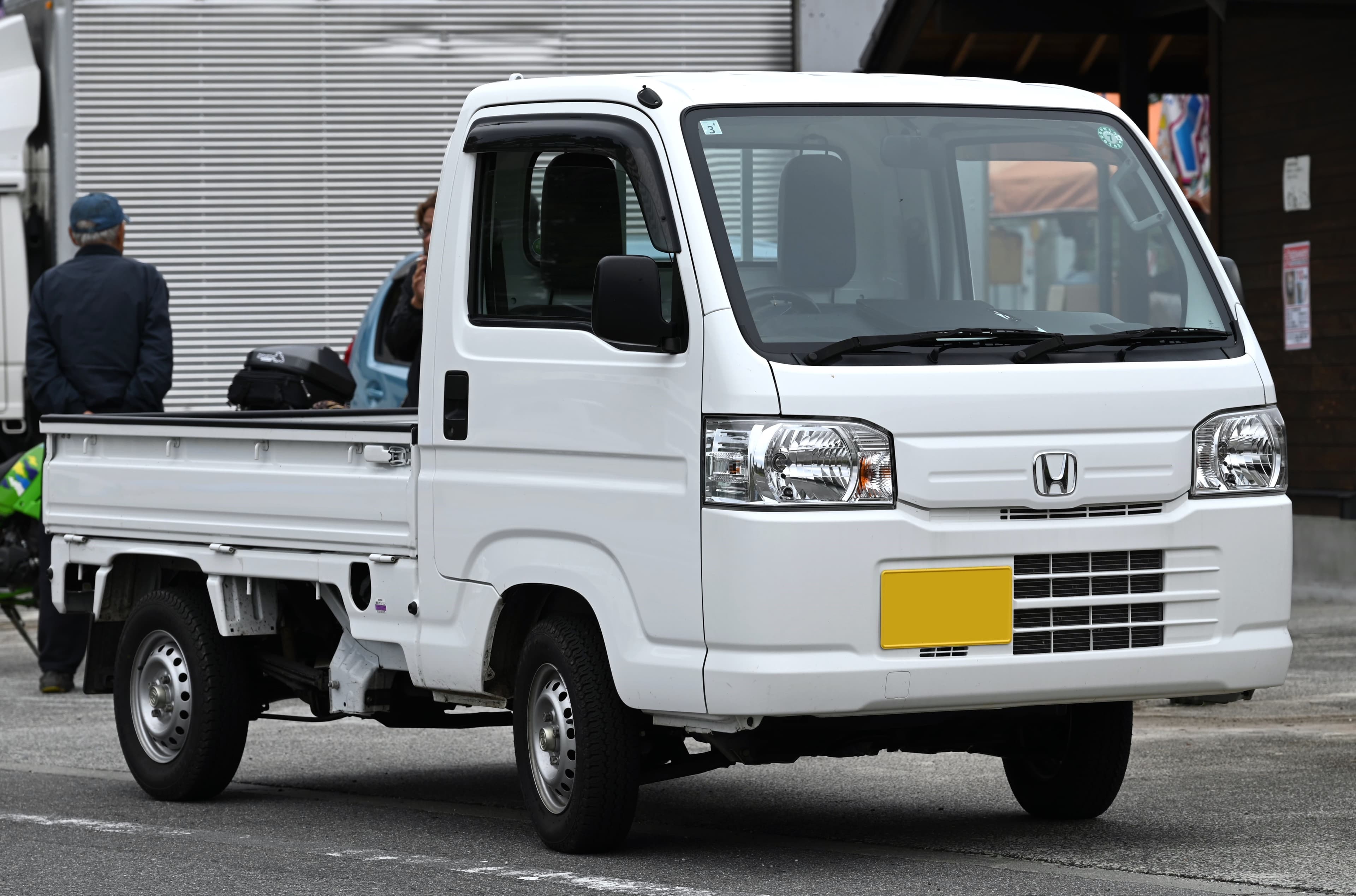
Nobody has ever asked me to appraise my dad's '95 Carry, which is the normal experience. A reader wrote in this month asking where to get a kei truck appraised, and when I went looking for the answer I found a gap rather than a list: we could not find a single US appraiser whose own website mentions kei trucks. That doesn't mean nobody can do it. It means you have to know what to ask for.
Do you actually need one?
Most owners don't. Insuring an ordinary kei truck rarely calls for a formal appraisal. Hagerty's FAQ says it plainly: "We typically do not require appraisals." It asks for one side-view photo of a stock vehicle, four photos of a modified one, and contacts you during underwriting if it wants more.
You need an appraisal when someone else is going to set the number and you want evidence of your own:
- A total-loss claim. The truck is written off and the insurer's offer is far below what kei trucks actually sell for. This is the most common reason, and the one where an appraisal pays for itself. Many auto policies include an appraisal clause for disputed values — read yours before you argue.
- Agreed-value cover on a truck worth more than an insurer will assume. A rare model, a clean low-mileage example, or a truck with serious money in mods.
- An estate, a divorce, or a business asset. Anywhere a court, attorney or accountant needs a documented value.
- A donation or tax purpose. The IRS has its own rules about who counts as a qualified appraiser. Ask your tax preparer before you book anyone.
If none of those apply, save the fee and keep good records instead. The records are what an appraiser would use anyway.
Get the appraisal before you need it if your truck is unusual. After a crash or theft, you are appraising something you can no longer show anyone.
Why a kei truck is hard to value
The usual shortcut doesn't work. The standard used-car price guides are built from US-market vehicles, and a 25-year-old Japanese-market Hijet generally isn't in them. An adjuster with no entry to look up falls back on whatever the system can find, which is how imports end up valued like a worn-out compact pickup.
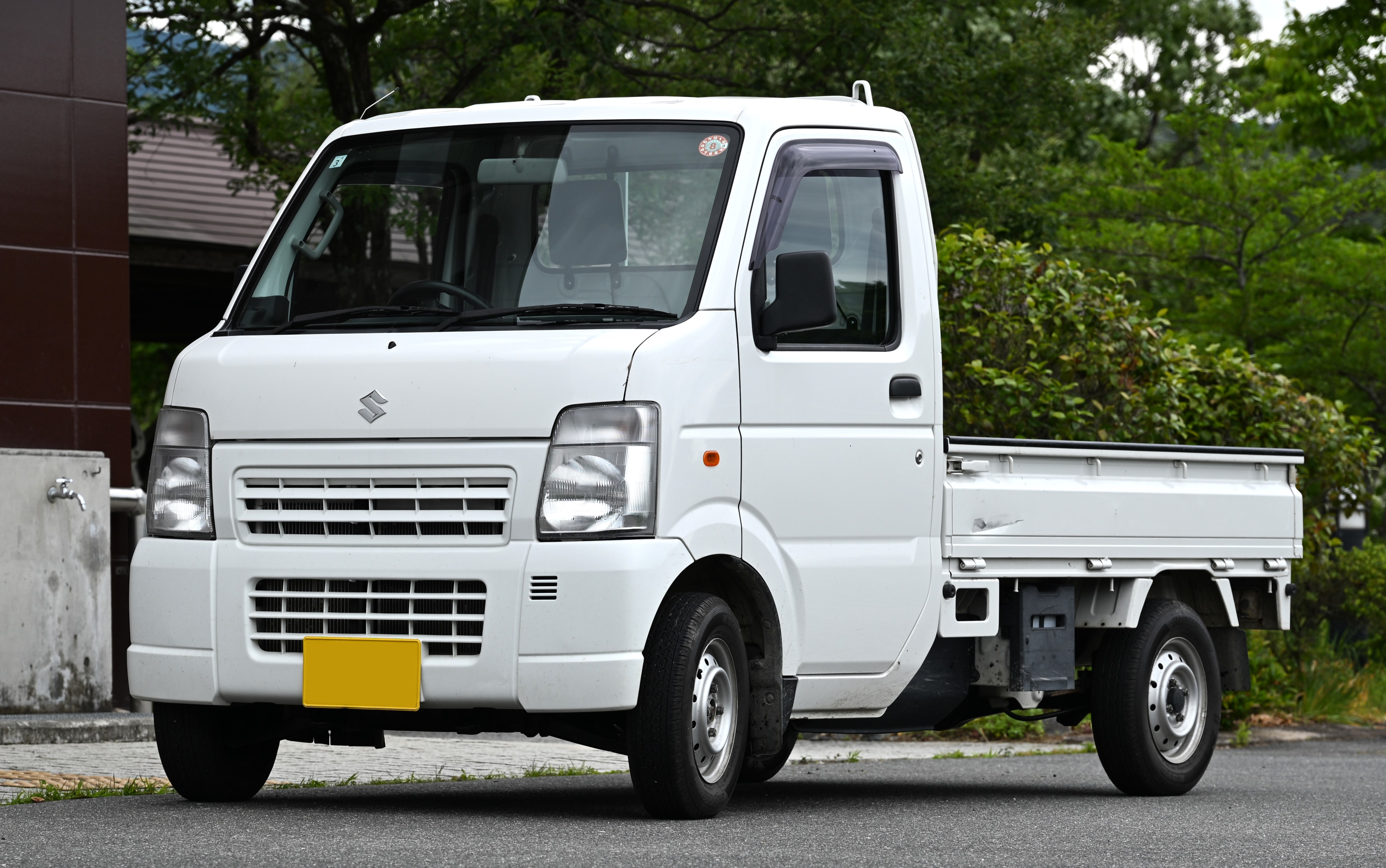
So the value has to be built from comparable sales: real kei trucks of the same model, era, drivetrain and condition that actually sold. That is the work an appraiser does, and it is also why a general appraiser who has never seen a kei truck can still do a defensible job — if someone gives them good comparables. Usually that someone is you.
What to hand the appraiser
Bring everything. Each item narrows the range:
- The chassis number in Japanese format (
DD51T-123456,HA4-1234567). Our chassis decoder tells you the model and generation. - The Japanese auction sheet, if you have it. It grades the truck and records mileage at export — independent evidence of condition.
- Export certificate and US import paperwork. Proves the truck is lawfully here and anchors the model year.
- Your title and registration, including how your state classified it.
- Service records and receipts for parts and mods. A service log export works.
- Photos: all four sides, bed, cab interior, engine, frame and any rust.
- Comparable sales you found yourself. Sold prices, not asking prices, for the same model and generation. Dealer listings show what sellers hope for; sold results show what buyers paid.
How to find an appraiser
Start with a directory of certified appraisers. The International Automotive Appraisers Association (IAAA) lists certified members by state at auto-appraisers.com. Note the address — iaaa.org is an unrelated organisation. The American Society of Appraisers has a large directory too, but no vehicle discipline, so it is a weaker fit.
Consider a remote appraiser. If nobody nearby has seen a kei truck, distance matters less than you'd think. Some appraisers work from photos and paperwork:
- American Classic Appraisals offers an online certified appraisal from your photos and vehicle details, and says it serves all 50 states.
- AppraiseItNow says most of its truck appraisals are completed remotely from photos, documentation and vehicle history.
To be clear about what that list is: neither company claims kei truck experience. We're naming them because they publish a remote process, not because we know they've valued a Carry. Ask them first.
A search result for a "kei" appraisal business turned up while we researched this, and its domain does not exist. Before you pay anyone, confirm the business has a working website, a physical address and certification you can check.

Questions to ask before you pay
- Have you appraised a right-hand-drive Japanese import before? If not, will you work from comparables I supply?
- What comparable sales will you use, and where from? You want sold kei trucks, not US compact pickups.
- Will my insurer — or court, or estate attorney — accept your report? Check with the recipient, not just the appraiser.
- Do you inspect in person or work from photos? And does the recipient accept that method?
- What certification do you hold, and what does the report include?
- What's the fee, and is it flat?
If you're fighting a total-loss offer
Don't accept the first number just because the adjuster couldn't find your truck in a guide. Ask in writing how the value was calculated and which comparables were used. Send back your own sold comparables and, if the gap is large, an independent appraisal. Then check your policy for an appraisal clause, which typically lets each side hire an appraiser when value is in dispute.
The best protection is set up before anything happens: agreed-value cover, with the truck's value documented up front. Our insurer directory shows which companies write kei trucks.
Help us build the list
This guide names no kei specialists because we couldn't verify any. If an appraiser has valued your kei truck — for insurance, a claim, or an estate — email keijirateam@gmail.com with who did it, what it was for, and whether the recipient accepted it. We'll check the business ourselves, and the ones that hold up become a real list.