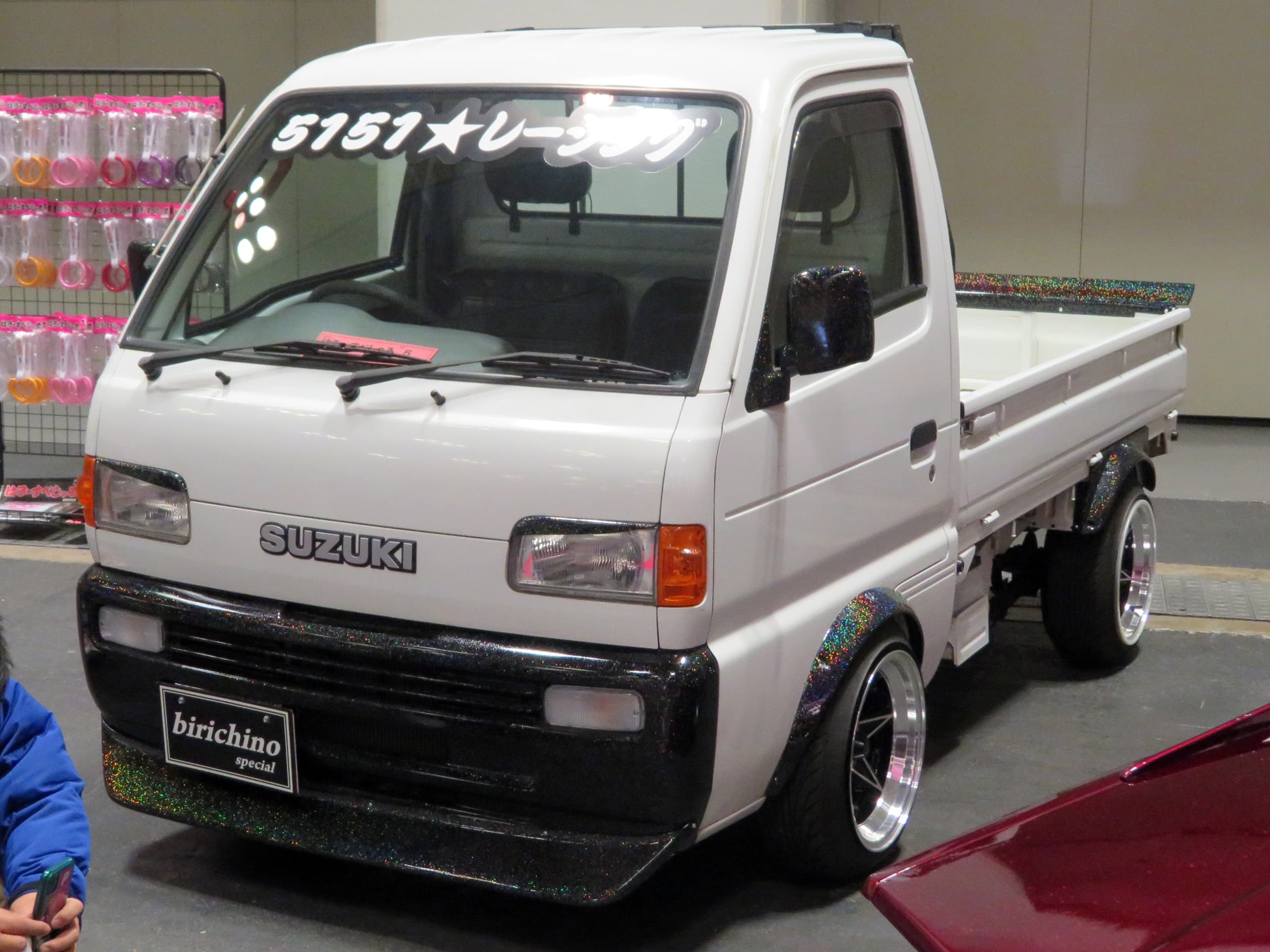
Overview
I welded my own exhaust for the Hijet last winter. Took the factory system off, looked at it, and genuinely felt bad for the engine. The pipe was barely an inch in diameter, feeding into a muffler the size of a shoebox. After 15 years of working on Mack truck exhausts, seeing this was like finding a garden hose connected to a fire hydrant.
A cat-back exhaust upgrade — replacing everything from the catalytic converter back — reduces backpressure, improves throttle response, and gives your Carry or Sambar a more characterful sound without being obnoxiously loud. Pair this with an air filter upgrade and you'll feel the difference in how the engine breathes.
Realistic expectations: on a naturally aspirated 660cc engine you might gain 3-5 horsepower. On turbocharged models, the gains are slightly higher because forced induction benefits more from reduced backpressure. The real improvement most owners notice is better throttle response and a willingness to rev more freely. Rina ran the numbers in the cost of ownership guide — this mod pays for itself in smiles per mile.
Tools Needed
You will need a floor jack and jack stands (or a vehicle lift), penetrating oil, a socket set with extensions, a 14mm and 12mm wrench or socket for most exhaust flange bolts, a rubber mallet, safety glasses, and work gloves. An angle grinder with a cutoff wheel is useful if the old exhaust bolts are seized and need to be cut. A creeper makes the job much more comfortable.
Installation Steps
Raise the truck and secure it on jack stands. Soak all exhaust flange bolts and hanger bolts with penetrating oil and let them sit for 15 minutes — Japanese exhaust hardware is notoriously prone to rust and seizing. Start at the cat-back flange connection (usually a two-bolt or three-bolt flange just behind the catalytic converter). Remove the flange bolts, then work backward disconnecting the exhaust from its rubber hangers. A spray of silicone lubricant on the hangers makes them much easier to slide off.
With the old exhaust removed, offer up the new system starting from the front flange. Install a new gasket at the flange connection — never reuse old exhaust gaskets. Hand-thread the flange bolts first to ensure alignment, then connect each rubber hanger point before tightening anything fully. Once all connection points are engaged, torque the flange bolts to spec (typically 25-35 ft-lbs) and verify that the new exhaust has adequate clearance from the body, fuel lines, and brake lines along its entire length.
Start the engine and listen for exhaust leaks — a ticking or hissing sound at any joint indicates a leak that needs attention. Leaks at the flange usually mean the gasket is not seated properly or the bolts need more torque.
Tips and Warnings
Stainless steel systems cost more upfront but will outlast the truck. Mild steel systems are cheaper but will eventually rust again, especially in wet or salty climates. If you live in a region with harsh winters, stainless is worth the extra $50-100.
If you want more sound without the full exhaust swap, a simple muffler delete or muffler replacement is a quicker and cheaper option — though the sound quality from a proper cat-back system with a tuned resonator is generally much better than a straight pipe, which tends to produce an unpleasant raspy drone on small engines.
What's Next
If you did the exhaust, pair it with an air filter and intake upgrade — the intake side is easier and the two mods together make the biggest difference in how the engine feels. For the complete engine mod stack, check the kei truck tuning and performance guide. And if you haven't done LED headlights yet, that's the easiest mod you'll ever do. Total time: 2-3 hours. Total cost: $200-400. Difficulty: 5/10.