Our step-by-step import guide covers the official process. This guide covers everything that goes wrong.
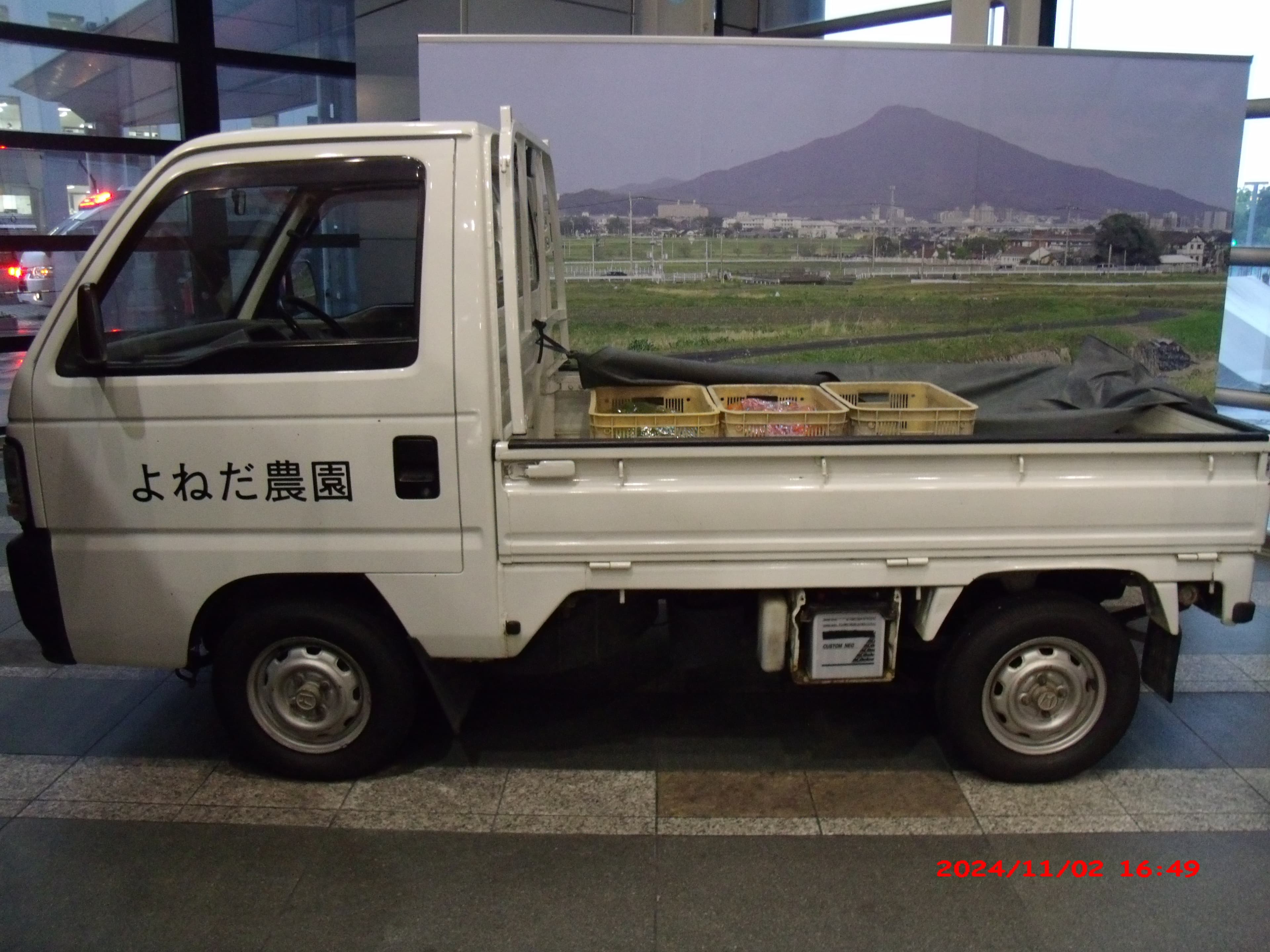
I've imported three vehicles myself — Old Faithful, The Van, and the Cappuccino — and helped friends with six more. Every single one had at least one surprise. Some had five. Here are the gotchas, ranked by how much they'll ruin your week.
The Money Gotchas
Port storage fees add up fast. Your vehicle arrives at port. Customs clears it. You think you have time to arrange pickup. You don't. Port storage fees start immediately — typically $50-100 per day. I once lost $400 on Old Faithful's import because I couldn't get a transport truck scheduled for five days. That's $400 I could've spent on mods. Have your domestic transport or pickup arranged BEFORE the ship docks. Know the estimated arrival date and have a plan ready.
Customs exams are random and expensive. About 5-10% of vehicle imports get selected for a random customs exam. They pull your vehicle off the line, inspect it (sometimes invasively), and you pay for it — $300-500 plus a 3-7 day delay. There's no way to avoid it. It's random. But know it can happen and budget for it. A customs broker handles the paperwork if it does.
The auction price isn't the real price. That $3,000 auction-winning bid in Japan? By the time you add the auction fee (5-10%), inland transport to port ($200-500), export paperwork ($100-200), and the auction house handling fee ($150-300), you're looking at $4,000-4,500 before the vehicle even gets on a ship. When budgeting, add 30-40% on top of the auction price for Japan-side costs. Our calculator factors this in, but this is the number one thing that surprises first-time importers.
Domestic transport is its own adventure. Your vehicle arrives at Long Beach, but you live in Ohio. Getting it from port to your driveway costs $200-1,000+ depending on distance, and auto transport brokers don't always know how to load a kei vehicle — they're lighter and smaller than anything they're used to. Open transport is fine since kei vehicles are built to sit outside. Get quotes from at least three transport companies. Or do what I'd do: fly to the port city and drive home. That's actually a great road trip.
So What About Paperwork?
This is where imports get really annoying. Not hard, just annoying.
The VIN format confuses everyone. Japanese chassis numbers don't match the 17-character US VIN format. Your customs broker, DMV clerk, insurance agent, and bank will all be confused by a VIN like "DD51T-234567." Each one will handle it differently. Be patient, bring documentation, and expect to explain it multiple times. Some systems require padding the VIN with zeros to reach 17 characters. I've had the same conversation about Old Faithful's chassis number with at least eight different people.
EPA and DOT forms have specific boxes that matter. EPA Form 3520-1 and DOT Form HS-7 have specific exemption codes you must check. The 25-year exemption is code "E" on the EPA form and "Box 2B" on the HS-7. Check the wrong box and your vehicle gets flagged. If you're using a customs broker (and you should — this is my strongest recommendation in this entire article), they handle this. If you're doing it yourself, triple-check the forms before submitting. One wrong checkbox can delay your vehicle for weeks.
Your state DMV doesn't know what a kei vehicle is. This isn't technically an import gotcha, but it happens right after import and catches everyone off guard. Your local DMV clerk has never seen a kei vehicle. The chassis number doesn't fit their system. The Japanese export certificate looks like hieroglyphics to them. See our title & registration guide for the full strategy — short version: bring all documents, ask for a supervisor, and be prepared to visit twice.
The Vehicle Gotchas
Here's the stuff that hits you when the truck actually shows up. And some of it is going to hit you right in the nose.
Auction sheets lie sometimes. Japanese auction sheets grade the vehicle's condition, but they're not infallible. I've seen vehicles graded "4" (good) that had hidden frame rust. Auction photos are taken from flattering angles — like dating profile pictures for trucks. Use a buying agent who physically inspects the vehicle before you bid. Pay the extra $100-200 for an independent inspection. It's the best money you'll spend on the entire import. Dave Russo taught me that one after a friend got burned on a Hijet with a cracked frame rail.
The battery is dead on arrival. About 80% of imported kei vehicles arrive with dead batteries. The vehicle sat in a holding lot in Japan, then spent 4-6 weeks on a ship. The battery is toast. Budget $80-120 for a new one and have it ready when the vehicle arrives so you can actually drive it off the lot.
The tires are old and dangerous. Even if the tread looks fine, the tires on a 25+ year old Japanese vehicle are likely old and hardened. Rubber degrades with age regardless of use, and hard tires have dramatically less grip, especially in rain. Budget $200-400 for a new set and do this immediately. Don't drive on 10-year-old rubber. I don't care how good the tread looks.
It smells like cigarettes. A significant percentage of Japanese vehicles were owned by smokers, and the interior absorbs decades of cigarette smoke that hits you the moment you open the door. Old Faithful needed an ozone treatment ($50-100 at a detail shop) and a thorough interior cleaning before Miso would even get near it — and Miso is a cat, not exactly known for high standards. Enzyme-based cleaners work well. Some people pull the seats and headliner and clean everything. It takes effort but it works.
What About Timing?
Everything takes longer than quoted. "4-6 weeks shipping" means 5-8 weeks in reality. "3-5 days customs clearance" means 5-10 days. "Same-day title" at the DMV means two visits over two weeks. Add 30% to every timeline estimate. I've never had an import arrive early. Not once.
Japanese holidays shut everything down. Golden Week (late April/early May), Obon (mid-August), and New Year (late December/early January) shut down Japanese businesses for 1-2 weeks. If your purchase or export paperwork hits one of these windows, expect delays. I learned this the hard way when The Van's export got caught in Golden Week and sat in a warehouse for ten extra days.
The Bottom Line
Importing a kei vehicle is absolutely worth it — I've done it three times and I'll do it again — but budget 10-15% over your estimated landed cost for surprises, and add 30% to every timeline. The people who have bad import experiences are the ones who budgeted to the dollar and planned to the day.
Give yourself margin, and the process is an adventure. Cut it tight, and it's a nightmare.