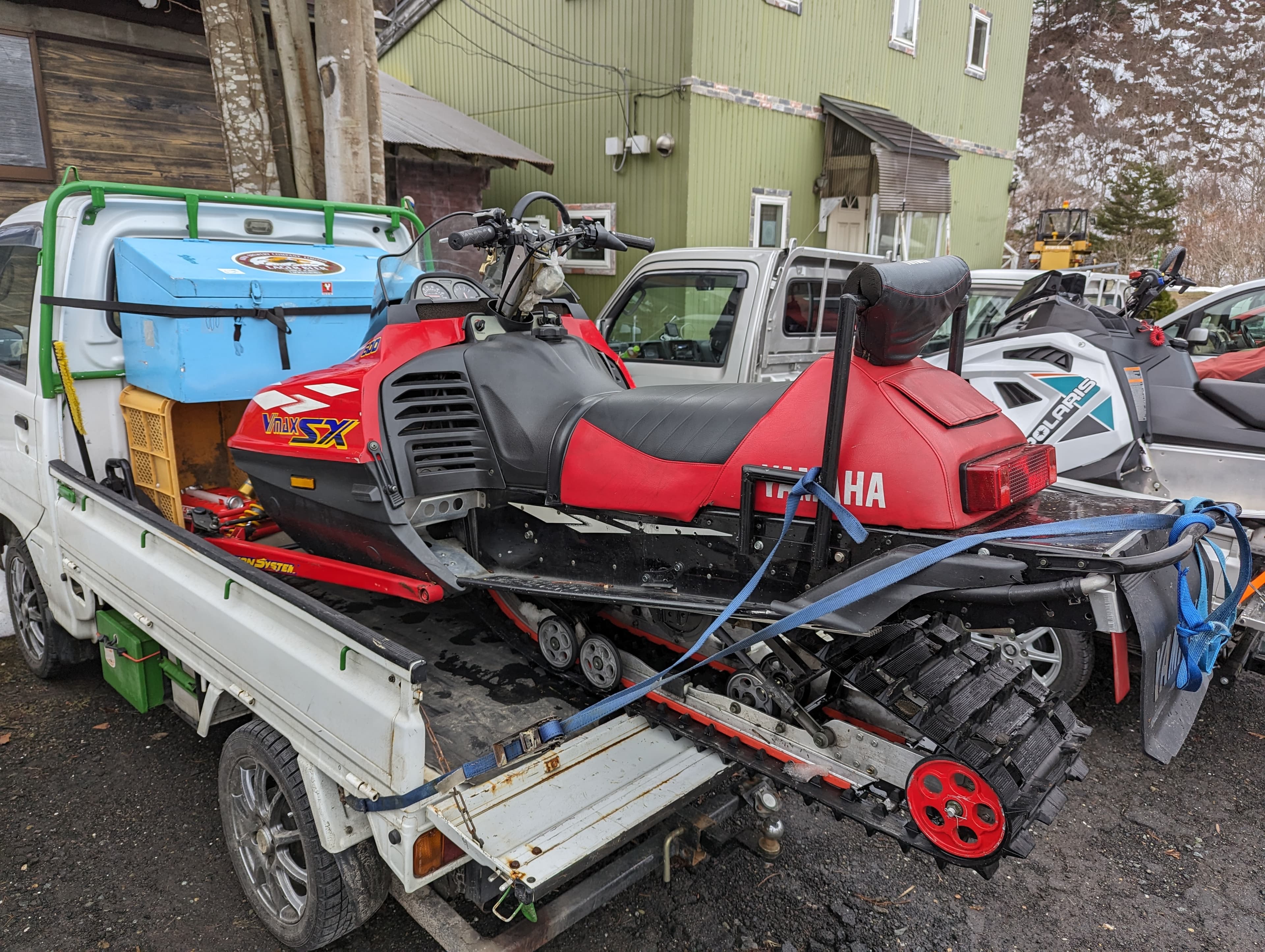
My first Montana winter with the Carry was educational. I learned that 4WD is not a substitute for winter tires. I learned that 660cc engines don't like -20F mornings. And I learned that a 1,600 lb truck with proper setup handles snow better than my neighbor's 2WD F-150.
Here's everything I know about keeping a kei vehicle alive and capable through winter.
Tires: The Single Most Important Thing
Stock Japanese tires on a kei vehicle are usually all-season tires designed for mild Japanese winters. They are not good enough for real winter conditions. Not even close.
What to buy: Dedicated winter tires in your kei vehicle's size. Common sizes:
- 145/80R12 (older trucks)
- 145/80R13 (newer trucks)
- 155/65R13 (kei cars)
- 175/80R15 (Jimny)
Recommended brands: Bridgestone Blizzak, Yokohama iceGUARD, Dunlop Winter Maxx. These are available in kei vehicle sizes — you may need to order online.
Cost: $50-80 per tire, $200-320 for a set. Mount and balance: $60-80. Total: $260-400.
The difference: Night and day. With winter tires, a 4WD kei vehicle goes anywhere in snow. Without them, you're skating on ice.
Cold Start Preparation
660cc engines are small and lose heat fast. At -10F and below, cold starts get difficult.
Battery
Cold temperatures kill battery performance. A battery that starts fine at 70F may not turn the engine at 0F.
Action: Test your battery before winter. Replace if it's over 3 years old. Use a battery tender/maintainer if the vehicle sits for days between use.
Oil
Switch to a lighter winter-weight oil. If you're running 10W-30 in summer, switch to 5W-30 for winter. The thinner oil flows better when cold, reducing starter strain.
Block Heater
For seriously cold climates (below 0F regularly), install a block heater. These plug into a regular outlet and keep the engine warm overnight.
- Inline coolant heater: $30-50, installs in the coolant hose
- Magnetic oil pan heater: $20-30, sticks to the oil pan
- Freeze plug heater: $25-40, replaces a freeze plug
Plug it in 2-3 hours before you need to drive. The engine starts instantly even at -20F.
Starting Technique
On cold mornings:
- Turn the key to "ON" (not start) for 3-5 seconds — let the fuel pump pressurize
- Crank the engine — if it doesn't catch in 5 seconds, stop and wait 10 seconds
- Once running, let it idle for 1-2 minutes before driving
- Drive gently for the first 5 minutes — the engine and transmission need to warm up
4WD Winter Techniques
When to Engage 4WD
- Snow-covered roads: Engage 4WD before you need it, not after you're stuck
- Ice: 4WD helps you GO but doesn't help you STOP. Brake earlier than you think
- Packed snow: 4WD is your friend. Part-time 4WD is fine for this
- Dry pavement: Disengage 4WD. Part-time 4WD systems bind on dry pavement and can damage the drivetrain
Low Range
If your kei vehicle has low range (Jimny, some Sambar/Carry models), use it for:
- Deep snow (6+ inches)
- Steep, icy driveways
- Getting unstuck
Low range multiplies torque at the wheels, giving you more pulling power at slower speeds.
Weight
Kei vehicles are light — great for floating on snow, bad for traction on ice. Some owners add 100-200 lbs of sandbags or concrete blocks in the bed during winter. This helps traction, especially on rear-wheel-heavy trucks.
Rust Prevention in Winter
Winter is rust season. Road salt accelerates corrosion dramatically. See our full rust prevention guide, but the winter essentials are:
- Undercoat before winter (Fluid Film, $50, 2 hours)
- Wash the undercarriage monthly during salt season
- Don't let salt sit — if you drive on salted roads, wash it off within a few days
Winter Kit
Keep in your kei vehicle from November to March:
- Small snow shovel (fits behind the seat)
- Tow strap or recovery rope
- Bag of kitty litter or sand (for traction if stuck)
- Ice scraper and brush
- Jumper cables or battery jump starter
- Blanket (if you get stranded)
- Flashlight with fresh batteries
- Small bag of road salt (for melting ice around tires when stuck)
Total kit cost: about $50. Fits behind the seat or under the bed mat.
The Winter Advantage
Here's the thing nobody tells you: kei vehicles are actually better in snow than many larger vehicles. The reasons:
- Light weight = less momentum to stop, less tendency to plow through snow
- Narrow tires = more PSI per square inch on the ground = better traction than wide tires
- Short wheelbase = more maneuverable in parking lots and driveways
- Low gearing = creep through deep snow without spinning wheels
A properly equipped kei vehicle (winter tires + 4WD + careful driving) will get through conditions that strand overconfident SUV drivers on bald all-seasons.
Don't let winter scare you. Prepare the truck, respect the conditions, and you'll be the one pulling your neighbors out of ditches.