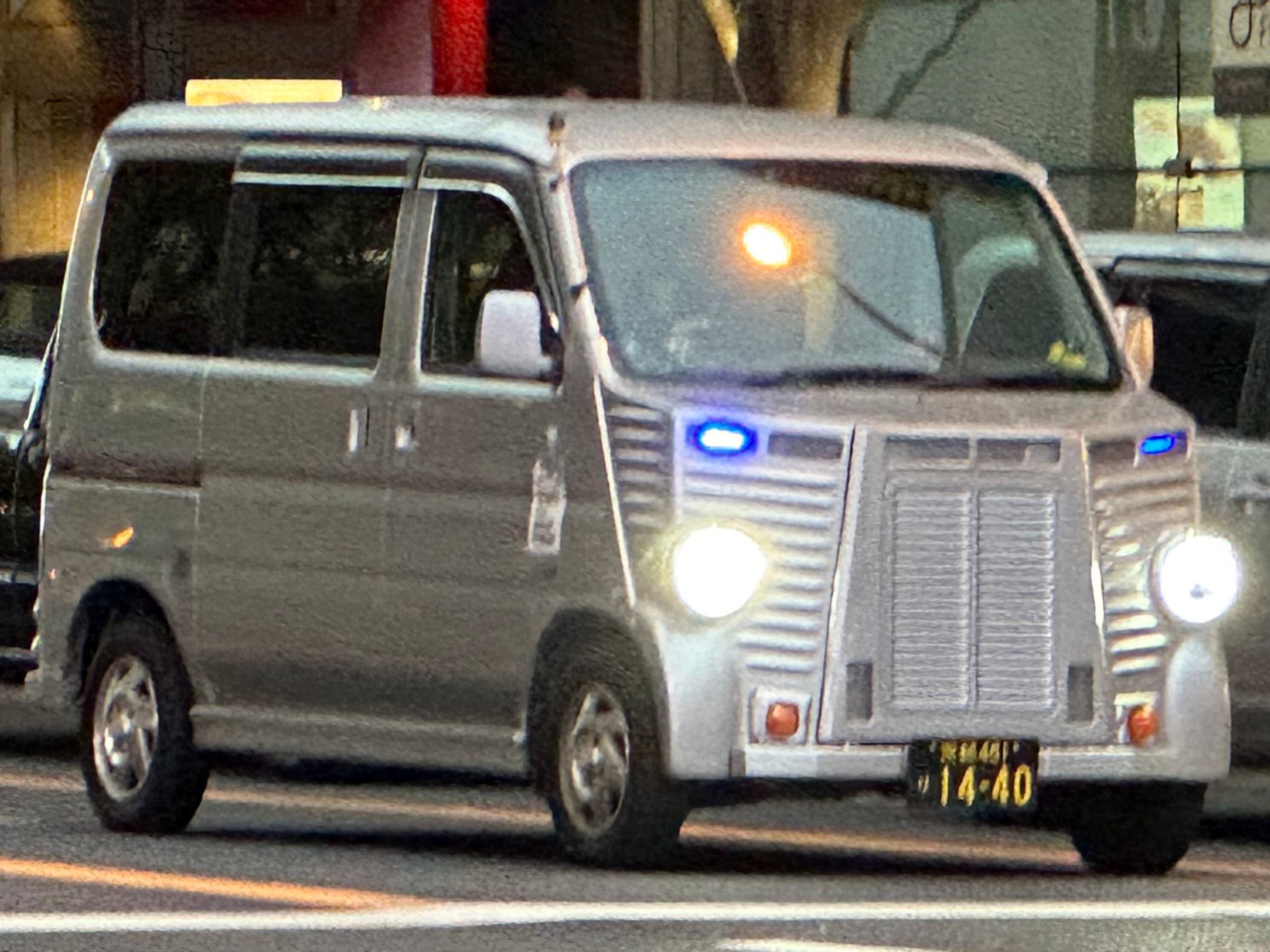
The Vamos is the weirdo of the Honda kei lineup, and I mean that as the highest compliment. It's a van, but it's built on the Acty truck platform, which means it's mid-engine — the E07Z sits under the rear cargo floor, not up front like every normal van. The result is a boxy, quirky, retro-styled lifestyle van with handling that has no business being as good as it is and a cult following in Japan that is just now spilling over into the US.
Origin & history
Honda launched the Vamos in 1999 — technically, there was an earlier Vamos from the 1970s that looked like a beach buggy, but the modern HM1/HM2 is a completely different animal. Honda wanted a kei van that felt less like a delivery tool and more like a lifestyle vehicle, so they took the Acty truck platform, extended the wheelbase slightly, wrapped it in a tall, square body with big glass, and aimed it straight at camping, surfing, outdoor-hobby Japan. The styling is intentionally retro, deliberately cheerful, and — at least to my eye — one of the best-looking kei vans ever made.
A notable sub-variant is the Vamos Hobio, a longer, taller, more utilitarian version of the same platform with more cargo space and less playful styling. The Hobio tends to be the one serious campers chase.
Generation breakdown
The Vamos ran essentially unchanged from 1999 to 2018 as the HM1/HM2, with cosmetic refreshes and minor mechanical updates along the way. HM1 is the 2WD version, HM2 is 4WD with Honda's real-time AWD system. Early examples (1999-2001) are now crossing the 25-year import threshold as we speak — which is why this page is marked "coming soon" for a wider selection. Later examples will continue to become import-eligible each year.
The major mid-cycle refresh came around 2003, with updated front-end styling and interior trim. The automatic transmission improved over time — the earliest 3-speed is fine but dated, the later 4-speed is much pleasanter to live with.
Engine & drivetrain
Same E07Z 656cc three-cylinder you'll find in the HA6/HA7 Acty truck. 46hp in most Vamos trims, which is enough for city driving and not quite enough for loaded highway driving in the mountains. No manual transmission was offered on the Vamos — it's automatic only, which is unusual for a kei vehicle and makes the Vamos a natural pick for buyers who don't want to row gears.
Real-time 4WD on the HM2 is the same viscous-coupling system as the Acty truck. It engages automatically when the rear wheels slip. It's genuinely useful in snow and light off-road, but it's not a substitute for a locking diff or a low range. The Vamos is a lifestyle van, not a trail rig.
What it does well
Camping and lifestyle use. Honda designed the Vamos specifically for this. The rear seats fold completely flat to create a bed platform that's just long enough for most adults to sleep on. The tall roof gives you nearly-standing headroom when you're sitting on the bed platform. The side glass is huge, so the interior feels airy instead of claustrophobic. It's a tiny camper right out of the box, and the aftermarket in Japan has built every possible accessory to enhance it — roof racks, awnings, bed extensions, kitchen kits.
It also handles better than a van this tall has any right to. The mid-engine layout gives it balance the Every and Hijet Cargo can't match. Cornering is composed, highway tracking is stable, and the short wheelbase makes it tossable in city traffic.
Known weaknesses
That tall body is a wind sail. Crosswinds on the highway are the single biggest daily-driving complaint from owners — the Vamos gets pushed around more than a Carry or an Acty truck. The automatic-only drivetrain means you give up a few mpg compared to the manual Acty. Rust around the tailgate seams and the lower rear quarters is common on neglected examples. Real-time 4WD viscous couplings can fail silently; do a wet parking-lot test before you buy.
Access to the engine is a genuine pain — worse than the Acty truck because you have to crawl into the cargo area to reach anything. Plan for an extra 30 minutes on every spark plug job. Interior plastics are cheap and crack over time, especially around the dashboard and the door handles.
Buying advice
The Vamos is still early in its US import cycle, which means pricing is volatile and you should expect to pay a premium as more buyers discover these. A clean, low-mileage early HM1 in the $9,000-$12,000 range is fair right now. HM2 4WD examples carry a $1,500-$3,000 premium. The Vamos Hobio, when you find one, tends to cost slightly more because it's rarer and more camper-friendly.
Prioritize service records on any Vamos — the automatic transmission is the one expensive failure mode to worry about, and you want to see evidence of fluid changes. Check the underside thoroughly for rust. Do our standard pre-purchase checks from the complete buying guide.
Vamos vs Every vs Hijet Cargo
The big comparison is against the Suzuki Every and Daihatsu Hijet Cargo. Both of those are cheaper, both are simpler to maintain, and both have better parts availability in the US today. The Vamos wins on driving dynamics, styling, and brand cachet — there's a reason Vamos owners are evangelical about them. If you want the cheapest, easiest kei van for utility work, buy an Every. If you want a kei van you'll actually enjoy driving and that will get asked about at every gas station, the Vamos is worth the extra money. For more on kei van selection, try the quiz — it'll sort you into the right category.
Living with it
Fuel economy is 32-38 mpg depending on the transmission and how you drive it. Highway cruising is comfortable up to about 65 mph, but the wind noise and the buffeting in crosswinds make longer trips tiring. Interior room is genuinely good for four short adults or two adults plus camping gear. Heat and A/C are solid. Visibility is excellent thanks to all that glass. It's a fun vehicle to own, and Vamos owners tend to keep them for a long time — which is another way of saying clean examples don't stay on the market for long.
Should you buy one?
If you're shopping for a kei van purely on cost and utility, no — grab an Every or Hijet Cargo and save the money. If you're shopping for a kei van that feels like a lifestyle choice and you want something genuinely different on the road, the Vamos is one of the most rewarding kei vehicles you can own. Watch prices, be patient, and buy the cleanest example you can find. Read the importing guide if you're bringing one in directly — Vamos imports are still a bit less common and you want to work with a shipper who's actually seen them before.