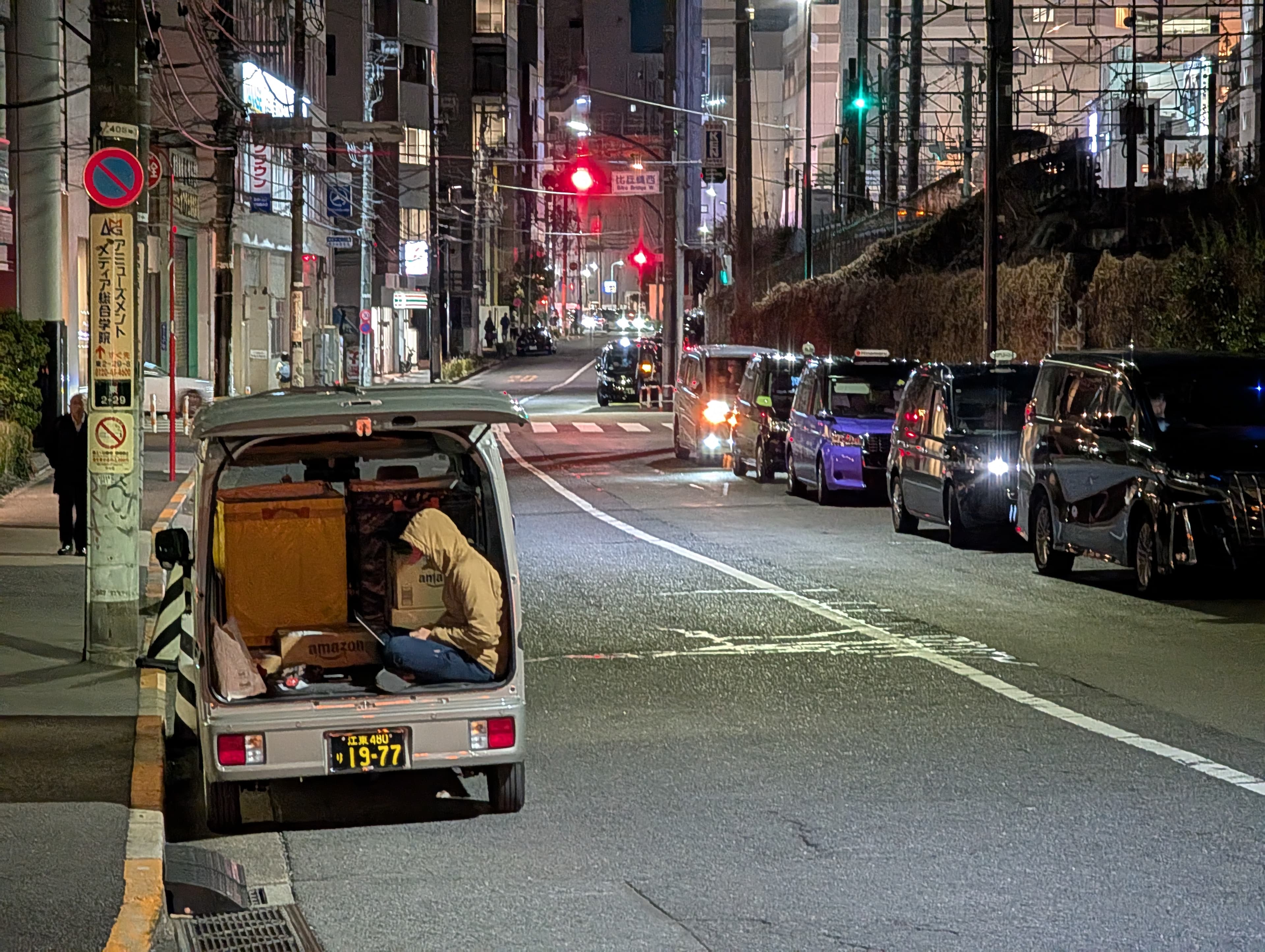
A reader on r/keitruck posted this month that a GSA auction in Lincoln, Nebraska had several kei vehicles up for bid. That got me looking at how government surplus sales actually work, because "federal auction" sounds safer than Facebook Marketplace and in some ways it is. In others it's the opposite.
Here is what you're actually buying, and the checks to run before you place a bid.
Who sells surplus kei trucks
Government agencies buy small utility vehicles for grounds, campuses, parks and facilities, and eventually they sell them. You'll find them in a few places:
- GSA Auctions — federal personal property, including vehicles, sold online.
- GSA Fleet sales — vehicles retired from the federal fleet, often through contracted auction houses.
- State, county and city surplus — most local governments run their own online surplus auctions or use a third-party platform. Search your state's name plus "surplus auction."
Each listing carries its own terms. The details below come from GSA's published fleet sale terms, and they're a good picture of how federal sales work. Read the terms on the specific lot you're bidding on, because local governments set their own.
Rule one: there's no condition guarantee
GSA's terms give you a limited description warranty. That means the vehicle will match its description and nothing more. In GSA's words, "Condition of property is not guaranteed," and the absence of a listed problem "does not mean there are none." The government also says it does not warrant the vehicle's fitness for any use.
If the description turns out to be wrong, you have 15 calendar days from the removal date to file a written claim. Even then, recovery is capped at what you paid.
In practice, treat it like any as-is purchase. If the lot allows inspection, go and look at it, or send someone who knows kei trucks. Use our inspection checklist. Rust in the frame and bed, and a tired clutch, are the usual expensive surprises.
Rule two: ten days to get it home
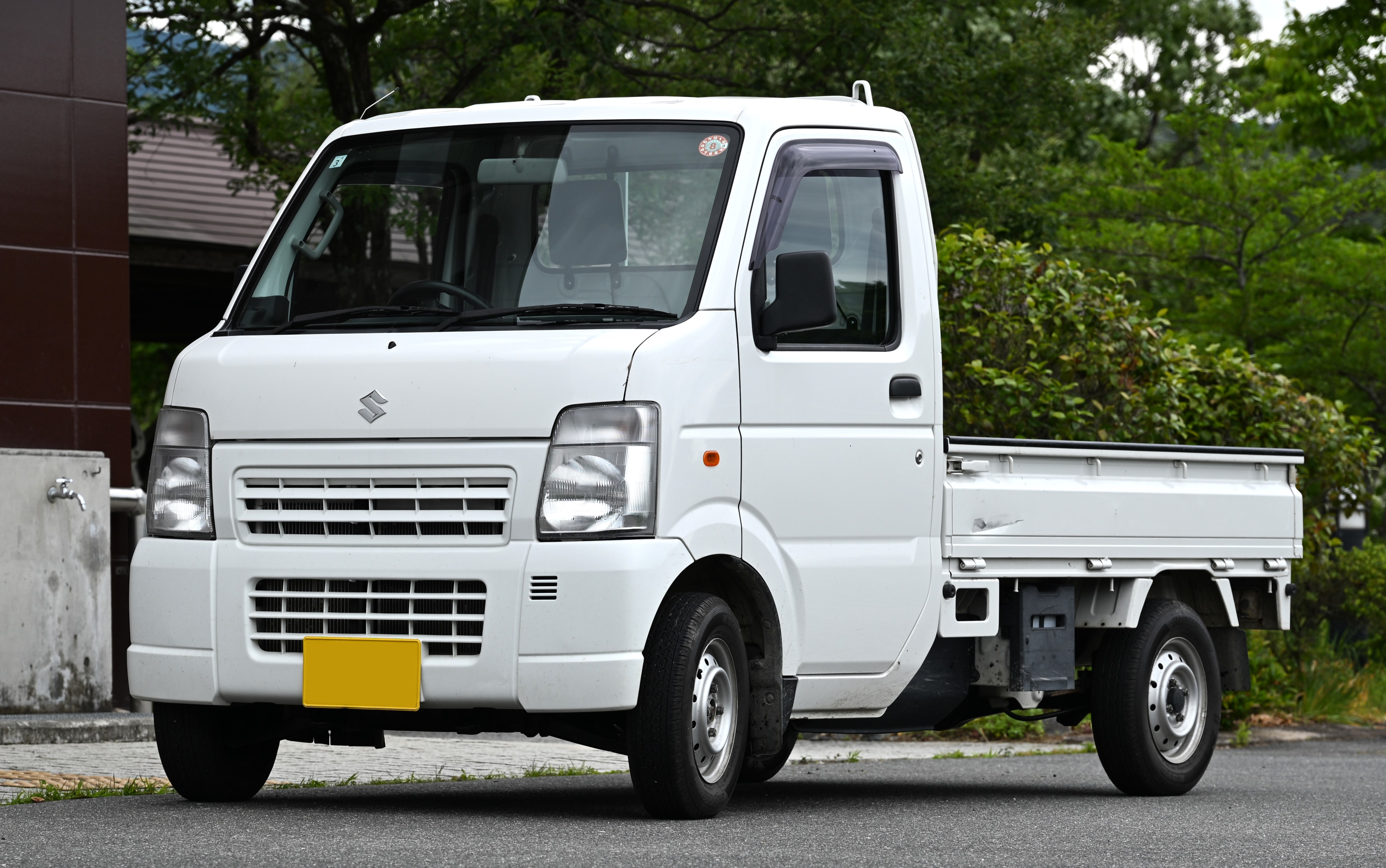
GSA's fleet terms require you to remove the vehicle within ten calendar days of the award email. Miss that and you can be placed in default, lose the vehicle and still owe money. Whoever collects it needs government-issued photo ID, and some federal sites now require Real ID to get through the gate.
A kei truck doesn't need a big trailer, but it does need a trailer. Arrange transport before you bid, especially if the lot is out of state. Our port pickup guide covers the carrier side, and most of it applies here.
Rule three: the SF-97 isn't a title
You won't drive away with a title. You get a Standard Form 97, the United States Government Certificate to Obtain Title to a Vehicle. GSA's terms are blunt about what it is: "evidence of title only," to be taken to your state motor vehicle agency, and "not a motor vehicle registration."
Three things follow from that:
- Your state decides what title you get. The SF-97 is accepted nationwide, but the title type is up to your DMV. A state that refuses to register kei trucks will refuse this one too.
- It's made out to the winning bidder. If you want the truck titled to a business, register as that business before you bid. GSA won't change the name after the award.
- Salvage lots are different. A vehicle sold as junk or salvage gets an SF-97 marked that way, and it won't become a road title.
The trap: model year
This is the part that matters most for kei trucks. GSA's terms make the buyer responsible for any EPA or NHTSA requirements. The government isn't promising the vehicle can ever be registered for the road.
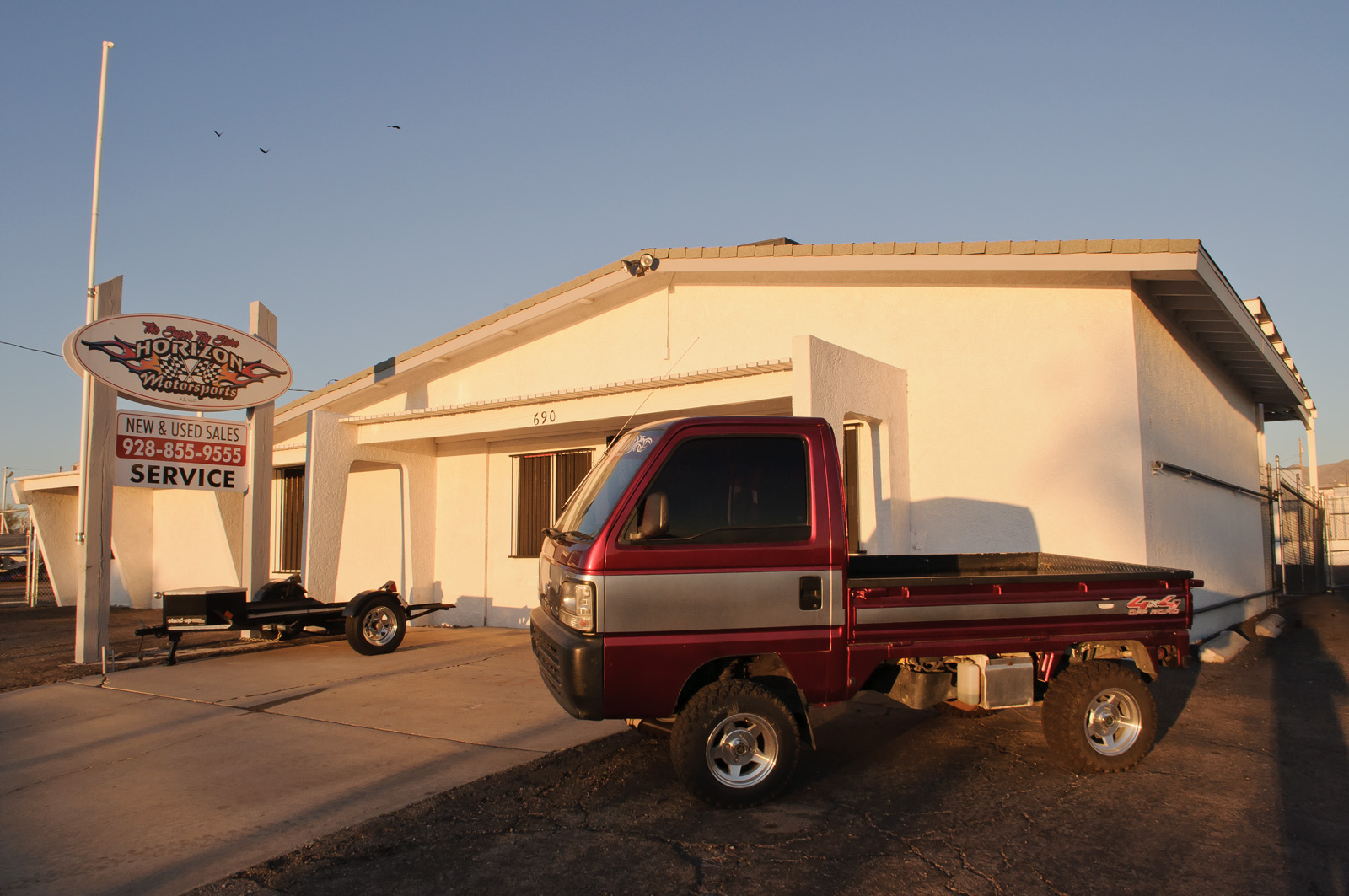
Many kei trucks owned by agencies weren't imported as 25-year-old road vehicles. Plenty were bought as new off-road utility vehicles, the same way some US dealers sell current-model Hijets for farm and campus use. A truck like that was never certified for public roads, and the 25-year rule only governs importation. It can't make an already-imported off-road vehicle road-legal later. Our guide on why you can't buy a new kei truck explains the difference.
So before you bid:
- Find the model year and chassis number in the listing, or ask the contact named on it. The chassis decoder turns the chassis code into a model and generation.
- Work out whether it's 25 years old by month of manufacture, not just year.
- Check your state. Our regulations tracker shows whether your state registers kei trucks at all, and on what roads.
- If it's newer than 25 years, price it as off-road equipment. For a farm, campus or private land, that can still be a good deal. Just don't pay road-truck money for it.
A government seller isn't a guarantee of road legality. The SF-97 proves the government owned it and sold it to you. It says nothing about whether your state will plate it.
Is it worth it?
It can be. Surplus trucks were usually maintained on a schedule, and with few bidders the price can land well under dealer money. But you're giving up everything a dealer provides: no warranty, no inspection, no paperwork help and no delivery. Compare the winning bid plus transport, title fees and whatever repairs it needs against a dealer's landed price. Our dealer directory and cost calculator help with that comparison.
If you buy one, tell us how the titling went. Email keijirateam@gmail.com with your state and what the DMV issued. Each answer helps the next reader.
Related
- Japanese auction guide — buying at auction in Japan, a different process entirely
- Title and registration guide
- Pre-purchase inspection checklist
- 50-state regulations