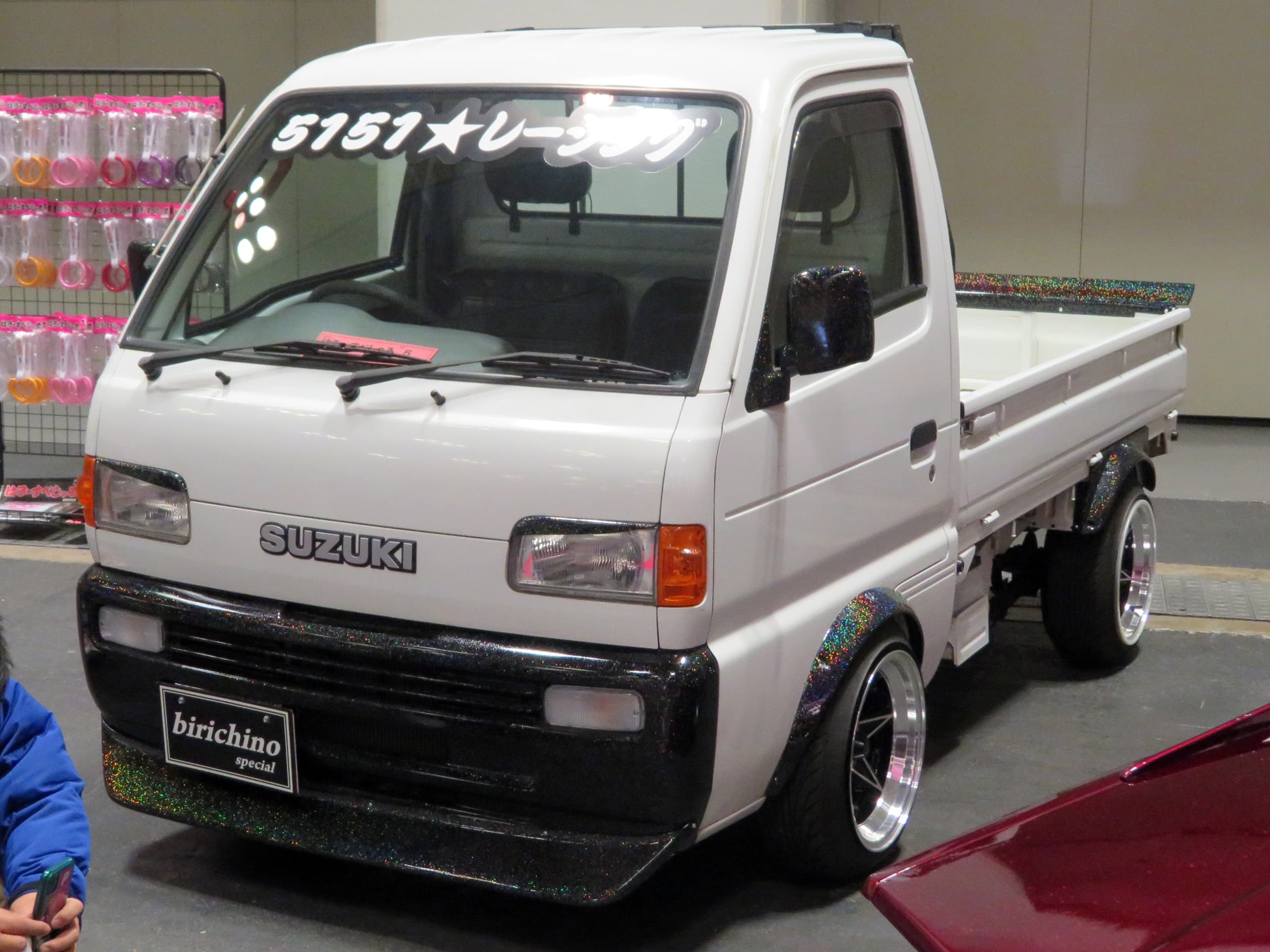
Overview
The first thing I did to the Hijet after LED headlights was a 2-inch lift. Not because I needed it — because I wanted it. Then I drove it on my buddy's farm road and realized I actually needed it. The stock ground clearance on most kei trucks is around 6 inches. That's fine for Japanese pavement. It's not fine for Pennsylvania ruts in March.
A 2-inch lift provides noticeably better ground clearance while keeping the center of gravity manageable for daily driving. Most kei truck lift kits use a combination of spacer blocks, longer U-bolts, and upgraded shocks to achieve the added height. If you're building an overlanding rig or a farm truck, this is one of the first mods to do.
This guide covers a typical spacer-style lift for the Suzuki Carry, Daihatsu Hijet, and Honda Acty. The process is straightforward but requires a solid understanding of suspension components and safe jack-stand usage. If you've never worked under a vehicle before, bring a friend who has.
Tools Needed
Gather the following before you begin: a floor jack and at least four jack stands, a torque wrench (ft-lb range suitable for suspension bolts), a socket set (metric 10mm-22mm), penetrating oil (PB Blaster or equivalent), a breaker bar, spring compressors if your kit requires spring removal, a pry bar, and blue threadlocker. A cordless impact wrench will save significant time but is not strictly required.
Installation Steps
Rear axle (do this first)
- Loosen lug nuts on all four wheels. Raise the truck, secure on jack stands at the frame rails. Remove wheels.
- Soak every suspension fastener with PB Blaster. Wait 15 minutes. Soak again. Scranton winters mean every bolt is a fight — Japanese trucks with road salt exposure are worse. Ask me how I know.
- Remove the rear shock absorbers (14mm top, 14mm bottom on most models). Disconnect sway bar end links if present.
- Remove the existing U-bolts and lower the axle away from the leaf spring perch. The axle is heavy — support it with a floor jack.
- Install the lift spacer blocks between the spring and the axle. Reinstall using the longer U-bolts from the kit. Torque to your kit's spec — typically 45-55 ft-lbs for kei trucks.
Front suspension (varies by model)
Strut-style fronts (Suzuki Carry, Subaru Sambar): Top-mount spacers sit above the strut tower. Three 12mm nuts on top, one 17mm pinch bolt at the bottom. Don't let the strut drop when you unbolt the top — support it from below.
Torsion bar fronts (some Daihatsu Hijet models): Adjust the torsion bar key or add a spacer bracket. This is the trickier setup — incorrect installation affects steering geometry. Follow your kit's instructions exactly.
Reassembly
Reinstall shocks (upgraded longer shocks are strongly recommended — stock shocks at full extension ride like a shopping cart). Reconnect sway bar links. Mount wheels. Lower truck. Torque lug nuts to spec.
Get an alignment. This is not optional. Any lift changes your caster and camber. A $60 alignment prevents $400 in premature tire wear.
What can go wrong
Budget for upgraded shocks even if your kit doesn't include them. Stock shocks at full extension have zero damping — you'll bounce like a pogo stick over bumps. I learned this on the Hijet and swapped to lifted shocks within a week.
Extended brake lines: at 2 inches, stock lines are fine. At 3+ inches, they're stretched dangerously close to their limit. Check them with the suspension at full droop.
If you also go to larger tires, your speedometer will read low and your CV joints and wheel bearings take extra stress. Inspect them every 5,000 miles after the lift.
What's Next
Now that you've got the clearance, you need the right rubber — check the tire guide for the best options after a lift. A bed rack pairs perfectly with a lifted truck for overlanding setups. And if you're doing serious off-road work, Jake's payload guide will keep you from overloading that newly lifted suspension. Total time: 4-6 hours. Total cost: $350-600. Difficulty: 7/10.